
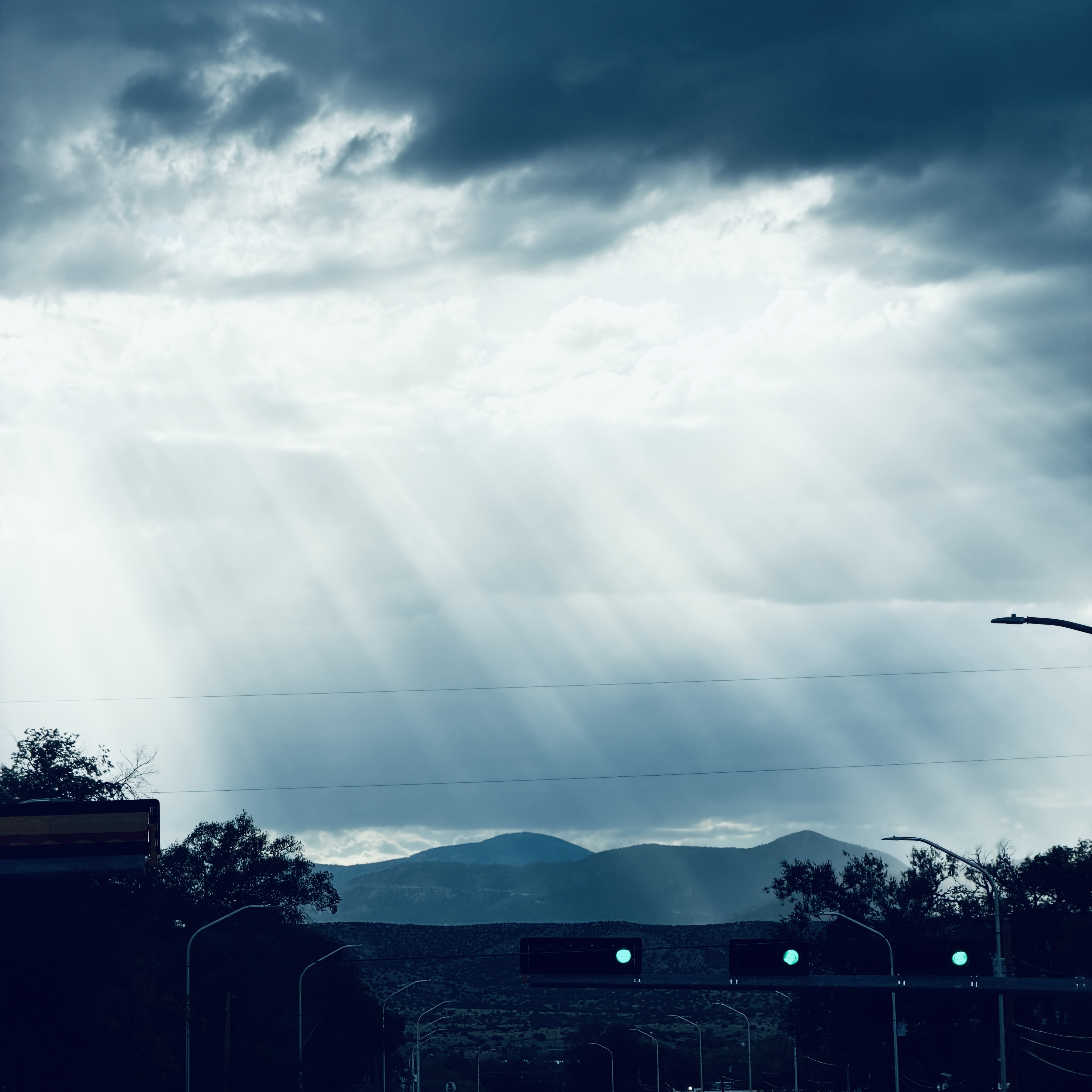
My friend Joe died a few years ago. He had many nicknames. Soy Boy, Joe Joe, etc. He was a dual threat- photographer/designer- and highly skilled in both disciplines, a very rare species, indeed. Joe was one of the first people I met when I landed in Laguna Beach in 1996. Joe was the one who told me, “Milnor, if your pictures are good, get out of the way, let them breathe, and you don’t need to over-design.” He also told me, “The jobs you say no to are more important than the jobs you say yes to.” I threw this back at him and said, “What a crock of shit; put that on a bumper sticker.”
A few months later, I booked a job that haunted me for years.
Joe was also the owner of what became known as “The Rat Mobile,” a late-model Jeep Cherokee with a massive rat living somewhere in the engine compartment. We would see the beast from time to time, as it chewed through all the important bits and bobs inside the engine compartment. Frustrated, Joe left the Jeep at the local wrench in Laguna. The mechanic tore the Cherokee apart, piece by piece, then declared it “rat-free.” When Joe went to pick up the vehicle, his keys had a tag that read, “Rat Mobile.” We jumped in and drove straight to Mono Lake, but upon the great climb up into the Sierras, the Jeep overheated, and when we opened the hood, we were met with melted rat. The mechanic in Mono took one look at the smoldering Jeep and us and said, “Don’t ever come back here.”
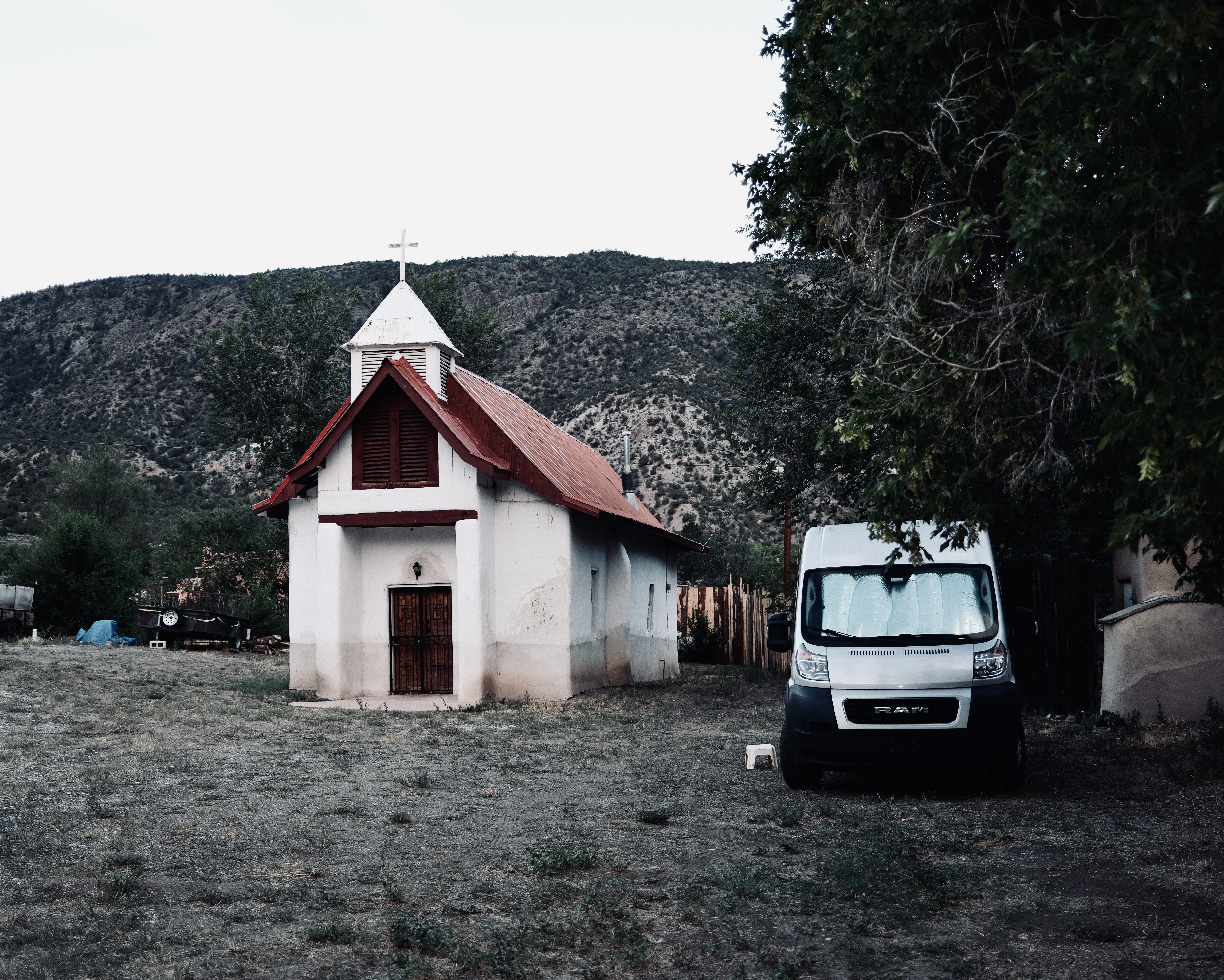
Joe and I spent considerable time talking about photography. We both loved it. More than a hobby. A lust, really. Were he alive today, he’d still be just the same. I know it. There were times Joe was flush, and there were times when I lent him money for rent, knowing that money was never coming back. I didn’t care. That’s what true friends are for. Toward the end of his life, as his brain failed him, I was less of a good friend. We would speak via Zoom or FaceTime, but he would often not recognize me. He was miles away, with family, but I still should have gone to see him. I regret this to this day. (No excuse is valid.)
After our first meeting, Joe said something that stained me.
He said, “Your life is about getting someone to care.” He meant my life as a documentary photographer. “How do you get anyone to care?” he added. Those questions seared themselves into my psyche, their shadow casting time and time again over the years. This morning, I was reading an adventure book about a couple traveling 12,000 miles by kayak, dogsled, and canoe. The book makes many references to climate change, a two-word combination that sends half of the United States into a rage-filled frenzy because their master told them it’s a hoax.
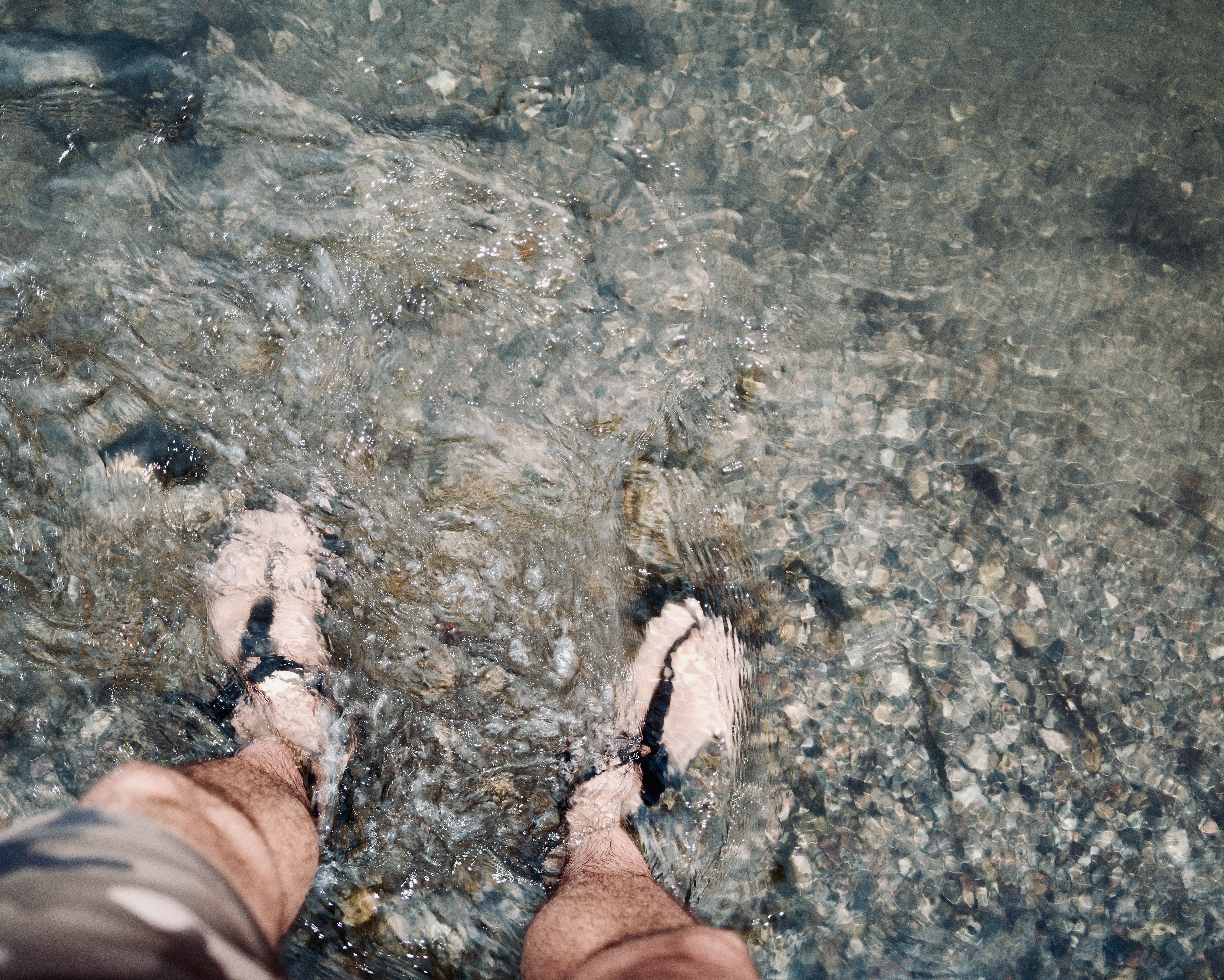
Two days ago, I floated a section of the Rio Grande River. Driving north, we were greeted by massive smoke plumes from the Frijoles Fire, a 9,000-acre, 12% contained beauty burning in the Pecos Wilderness. Nearly 500 personnel are currently actively fighting the beast, including tankers and helicopters. Upon reaching the river, the water level was far below normal. In fact, it was the lowest any of us had seen. The summer monsoon season has yet to start, and the state’s largest reservoir is now at 1.4% capacity. There is no longer any water flowing to the river below, and the massive fish die-off has already begun. If you take the lowest snowpack level in 130 years of recorded history and cut it in half, you will have our last winter’s numbers. We just removed six trees along the side of our house, all dead from bark beetle, which are no longer dying off during winter because temperatures no longer remain cold enough, long enough. Things are dire. This is not political. This is math, science, truth, fact, and logic. Those of you still supporting the buffoon, well, you are the dumbest people ever to walk the Earth. But I digress.
But Joe was right. How do we get anyone to care? Should we even try? Is it too late? In the book I mention above, the author notes the caribou decline is now at roughly 70%, but will reach nearly 90% in the next decade. This animal still represents a significant portion of Natives Peoples sustenance. What will they do when the caribou are gone? Their homeland is under threat from development, oil and gas, and warming temperatures. But perhaps most importantly, the youth have lost touch. Now they doomscroll, play video games, and ride quads around, rarely engaging with the wilds. City kids found this same path years ago, too. Unless I’m on fire, I just want a new iPhone.
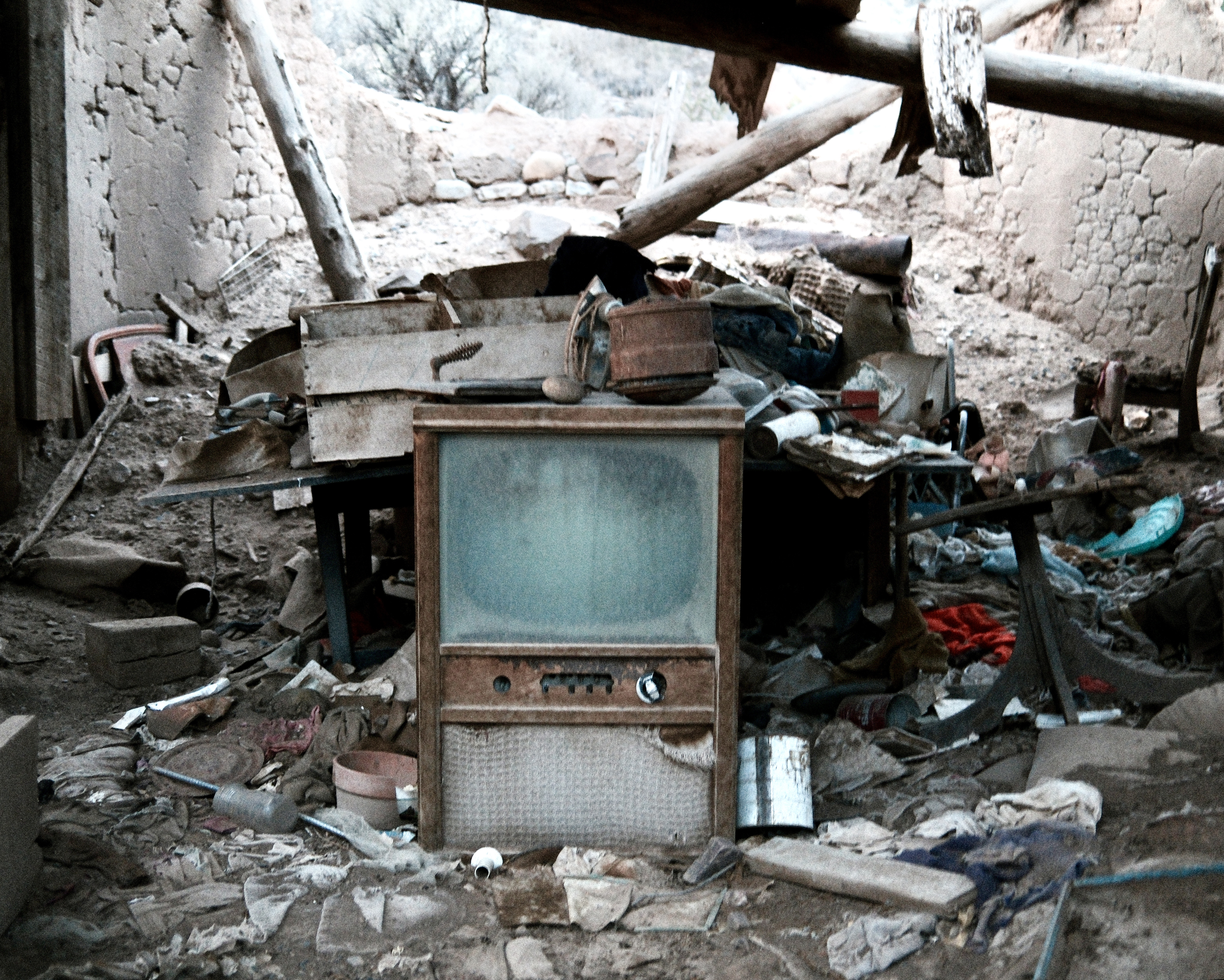
I’m scheduled to teach a workshop in Patagonia in January of 2027. In January of this year, we embarked on a scouting trip to the region. The idea was to take a sample of what a student might see during a ten-day class. Patagonia has haunted me ever since, in a good way. I grew up country, and I understand the solace of open spaces. (Thank you, Gretel and Michael, for first introducing me to this author, who now lives in Santa Fe.) Patagonia was on a different scale. Imagine Wyoming of the 1970s, only exponentially larger, and with even fewer people.
One of the unexpected highs was walking on a glacier.
Put it this way, I did not think about walking on a glacier until I was looking down at my crampons. It took at least five hours to get to the glacier, and I still didn’t think about it until I was standing on it. Don’t ask me why. One of our guides was a Chilean mountaineer and photographer. “When I first came to this glacier in 2005, the ice was up there,” he said, casually pointing upwards. It took me a moment, but I looked upward, assuming I would see something in the foreground, an artifact that might give me perspective on what he had just said. There was nothing in the foreground or the midground, but a small mountain rose in the distance. “Where?” I asked. “There,” he said, pointing at the small mountain. I looked at my friend, and he looked at me. “The ice was UP THERE?” Boom. Neck punch. Undeniable.
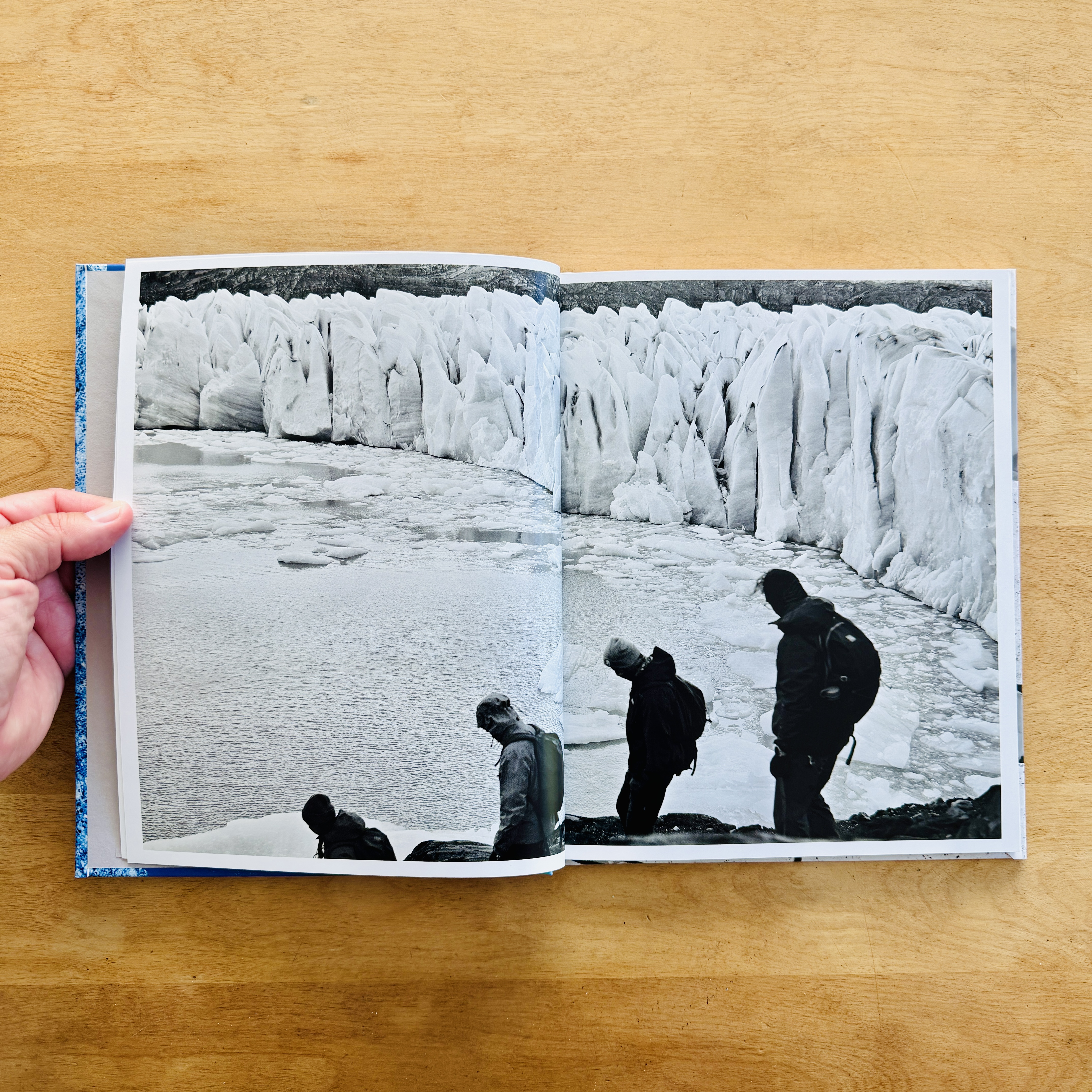
The problem we have as documentarians is that we have responsibility. We can’t look at Patagonia as a fucking Instagram stop, a checklist to brag to everyone else. Nope, we have to take notes and build something that will outlast a one-second thumb swipe. We can’t go like we are never going back. We can’t put ourselves at the center of the mission. We are the vehicle, fading into the dying light near the edge of the campfire. We are not the story. Our experience can play a part, but it will never take center stage. The story is the star.
As for how to get modern people to care, I don’t know. I’ve felt since I was young that our destiny was to destroy ourselves. I could see it and feel it walking alone in the mountains with my .22 or my bow and arrow. Watching the towns spill and sprawl further and further into those open spaces. Ranches becoming rachitos. City dwellers demanding their piece of the frontier, so they could build 10,000-square-foot mansions on the hilltops, and fences with “No Trespassing” signs that destroyed all natural corridors. Posting your love of nature, even as you destroyed it.
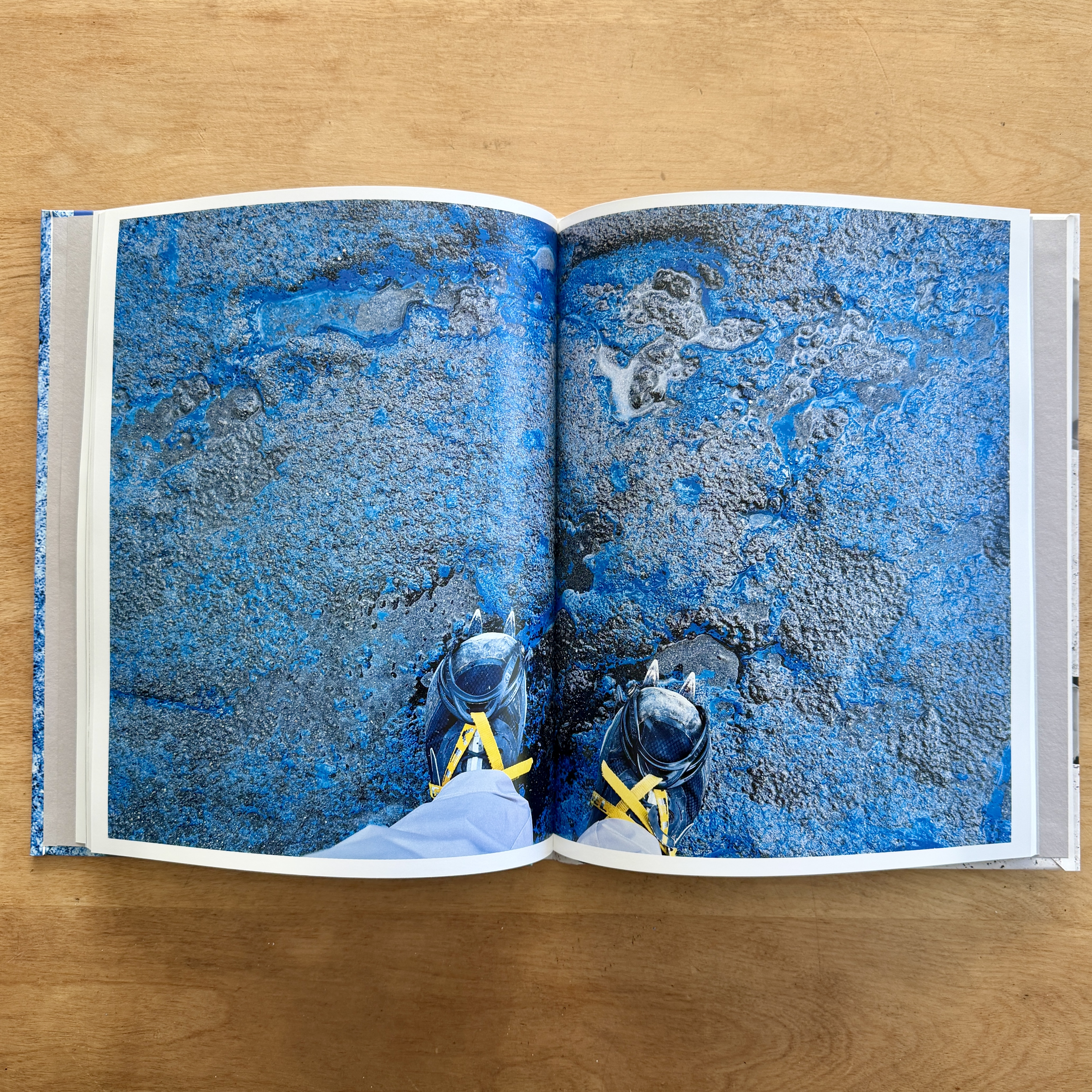
What can we do? Record. Do what you do to the best of your ability. This is but one story. That’s all. There are many more. What we do today might mean nothing tomorrow, but it could mean everything a year from now, or ten years, or a hundred. Just record. Lake Mead and Lake Powell hit historic lows. YouTube is filled with hipsters getting in on the story. Dozens of content creators smell likes and subs and the blood of misfortune. I ask, where were you a decade ago? Everything is connected. You can’t pull a single chapter from the middle of the book. You start reading at the beginning, and you tough it out till the end. That’s all we can. Like planting trees. Start with a seed, and bring your patience.
This should not be seen as a fatalist post. It might seem like it, but it’s not. I see hope. Sure, it’s fading in a blizzard of greed and ignorance, but this time will pass. If we survive, we can start over. I’m doing what I do, and this is going to expand exponentially, especially come January of 2027. There are forces at work, forces you don’t yet know about, but I will share when the time comes. I look forward with hope and desire. To steal from the SAS: “Who dares wins.” Ya, I like that. At some point, we all step through the veil and into the reality of what lives beyond.

Comments 15
Danielsan, Let me guess. Blurb wants to expand your creative ambassadorship to a new print-hub opening in South America. Where you become “Pata-dan-onia.” The Patagonia region of Chile and Argentina has everything to imagine…And love. As you’ll further discover with your accumulated time spent there.
Author
That would be awesome, but sadly, no. Think the OTHER direction. And I don’t mean north, south, east, west.
Of all the crap this administration has done, the climate assault is the worst. I can move to another country to get away from the nonsense here. However I can’t hide anywhere on the planet from climate change. And… it’s irreversible.
Author
He’s insane and has never left the pavement in his life. He’s trying to do as much damage as he possibly can, just for the sake of ruining as many things he sees as liberal or woke. But the key people we can NEVER allow to go free are the enablers who know better and surround him like a security blanket.
” I see hope. Sure, it’s fading in a blizzard of greed and ignorance, but this time will pass. If we survive, we can start over.”
Author
It’s looking like we are going to find rock bottom.
If only you had remembered to rake your 4 acres of the forest last week. 🙁
I saw something hopeful yesterday. A freighter called Chinook Oldendorff- it had rotor sails. “Equipped with Norsepower Rotor Sails™, the Chinook Oldendorff harnesses wind energy to generate additional thrust, expecting to reduce fuel consumption on transpacific routes by about 10-15%.”
We wondered what the heck the tall white columns on the freighter were, as we were boating in the harbour. “Sails” said the sailor in our group, and google provided the other information. For those interested, The columns spin in the wind, and there is more air pressure on one side than the other, so the column spins, which, converted to electricity, helps power the ship. The sails were spinning even while docked. The port also provides electrical shore power to docked ships, which has helped to reduce the diesel exhaust in the city. I write this through a haze of forest fire smoke.
It is heartbreaking that the current US govt. is looking backwards instead of forwards.
Jacques Cousteau had similar type sail columns on his ship in “1985.” Amazing tech for the time, from people, based in science and wanting to make a difference. On another note; I remember when “he” (you know who) stood at a burn-site and made that stupid statement. That said…I guess we’re short on rakes here in the northwest as well. “Breathe deep the gathering gloom” (Intro statement (poem) on a song from the “Moody Blues” 1967)…I’m sure you’re too young.
Author
That guy crushed me as a kid, which is why Life Aquatic is one of my all-time fav movies.
Author
Ya, sweep the forest floor. Great idea. Beyond clueless. I love this sail idea, gotta look it up.
Jeff Edvalds- Wow. I looked it up. Cousteau’s version was slightly different, but similar theory. Cousteau was such an amazing guy, thanks.
Sails. Well, yeah. I mean seriously, any sailor knows. But that aside… To this: “ He’s insane and has never left the pavement in his life. He’s trying to do as much damage as he possibly can, just for the sake of ruining as many things he sees as liberal or woke. But the key people we can NEVER allow to go free are the enablers who know better and surround him like a security blanket.” I just want to say ditto. “but it’s all right, Ma…”
Author
I was stunned how quickly the party folded back in 2016.
Just getting caught up on posts after a stint…good reminders about keep creating and doing. Always enjoy your imagery and vision, particularly the silhouettes descending. Thanks.
Author
Going to be back on that glacier come January. It’s receeding quickly, so I’m curious to see what’s changed since earlier this year.