

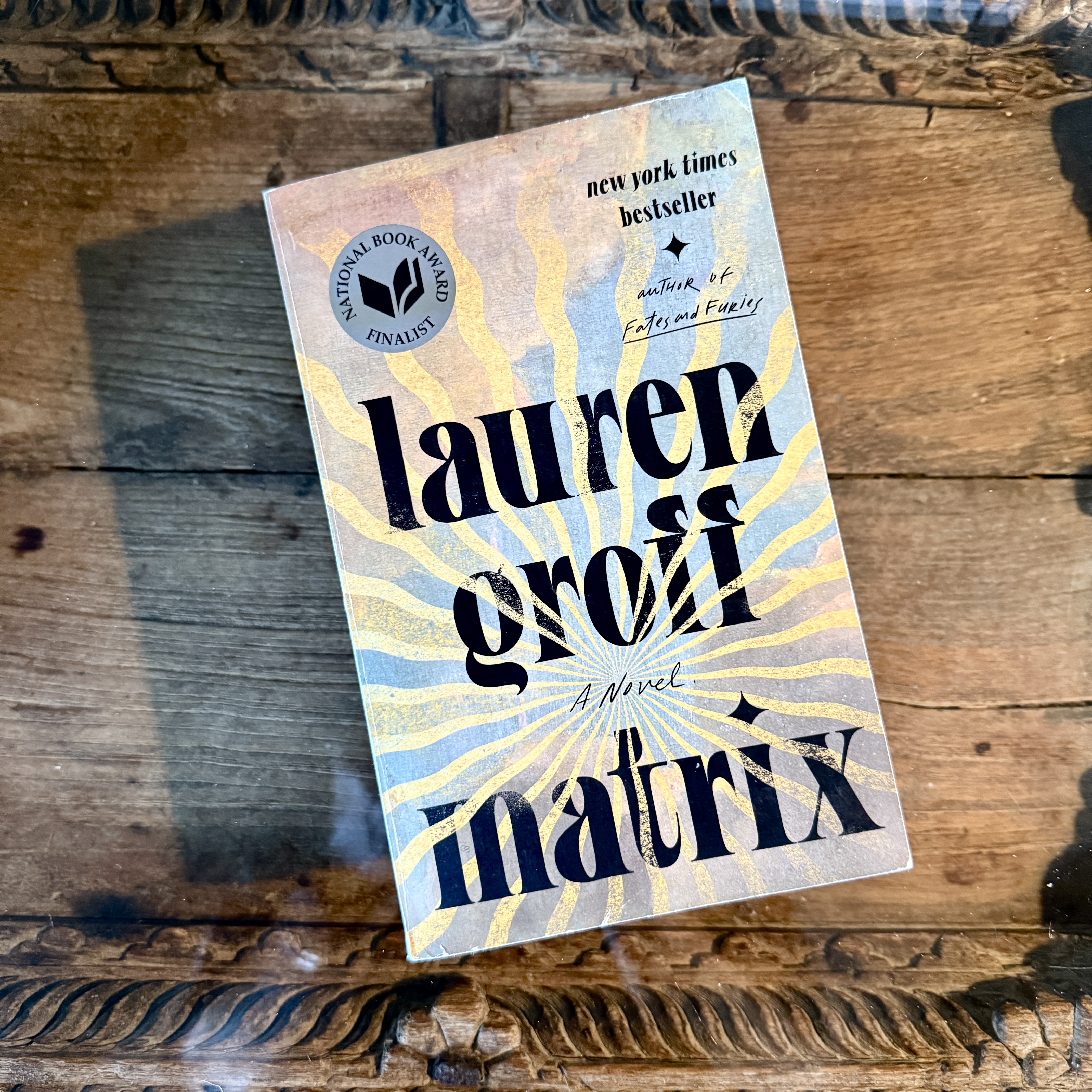
Lauren Groff’s “Matrix“ brings a certain darkness that only comes from the harshness of life in England of the 1100s. Religion, the crown, famine, illness, and a million other ways to suffer. But this book flirts with all sorts of spicy realities of the time. Women alone in a rural abbey, fighting for survival, respect, and human connection. The book questions the power of faith and the fine line between the divine or the cursed.
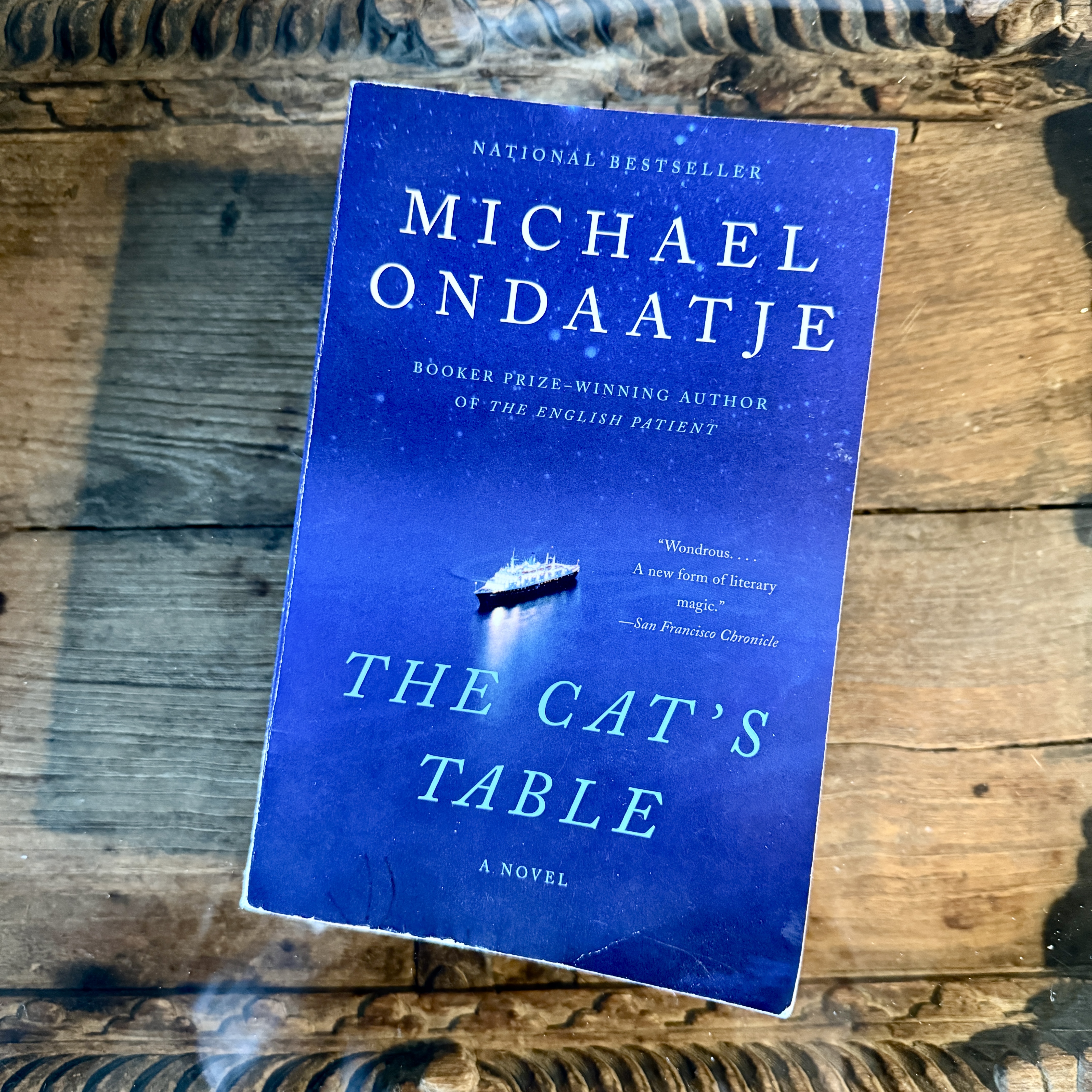
Michael Ondaatje’s “The Cat’s Table,” is the story of a 1950s ocean voyage from Sri Lanka to England, told through the eyes of several young boys. Through the Indian Ocean to Suez and on through the Med, the boys have adventures onboard while attempting to understand the depth and diversity of their fellow passengers. The book bounces from past to present, and Ondaatje is a good storyteller with a real eye for keen observation.
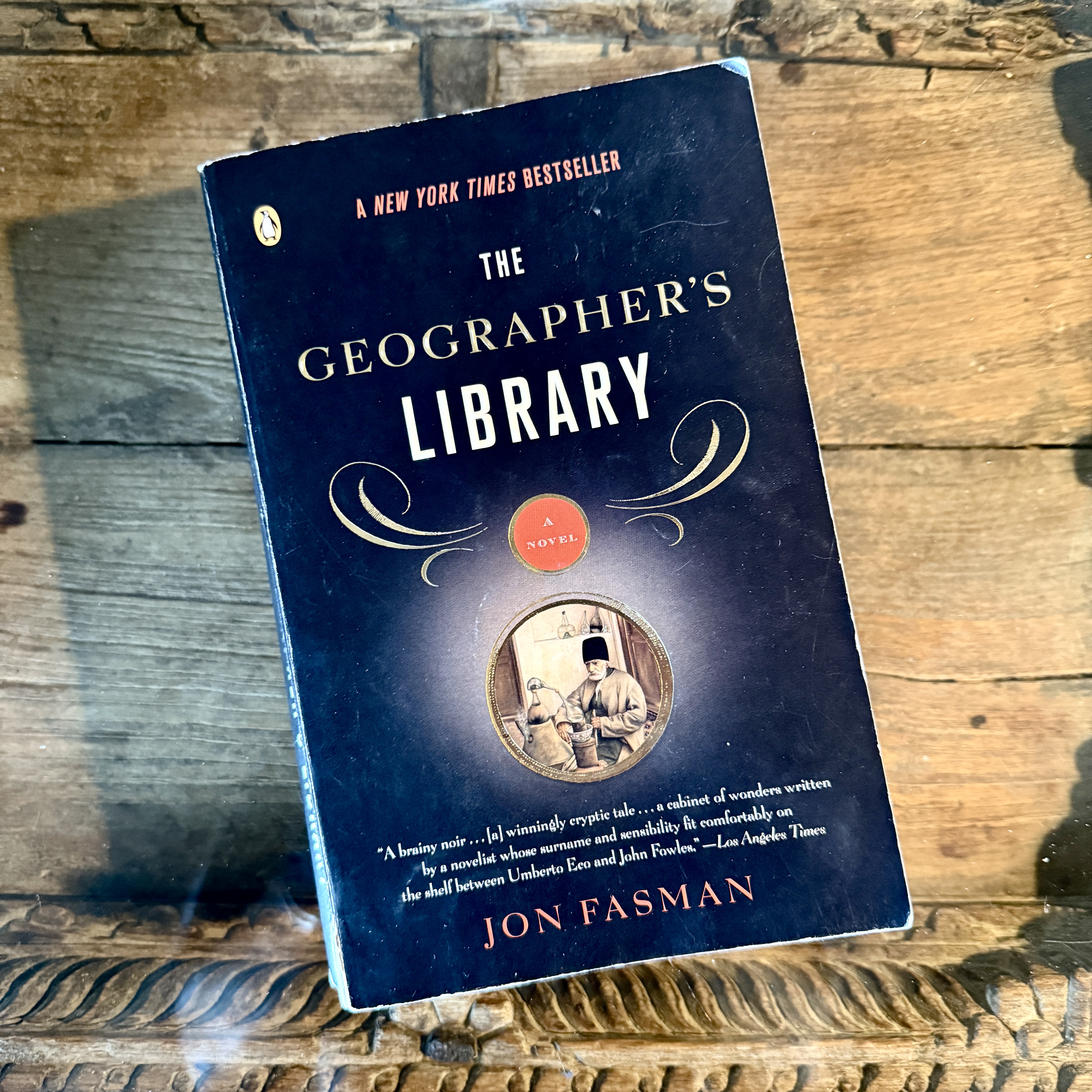
Jon Fasman’s “The Geographer’s Library,” is a peculiar literary history suspense novel. Yes, this is a thing. Imagine that a set of artifacts stolen a thousand years ago reemerges as part of the death/crime of an estranged professor. Ya, sounds weird, and it is, but I enjoyed this book. I especially enjoyed the main character is a newspaper reporter who stumbles into the story. Not my favorite book of all time, but it did make me think about stealing priceless things and how I would go about covering my tracks.
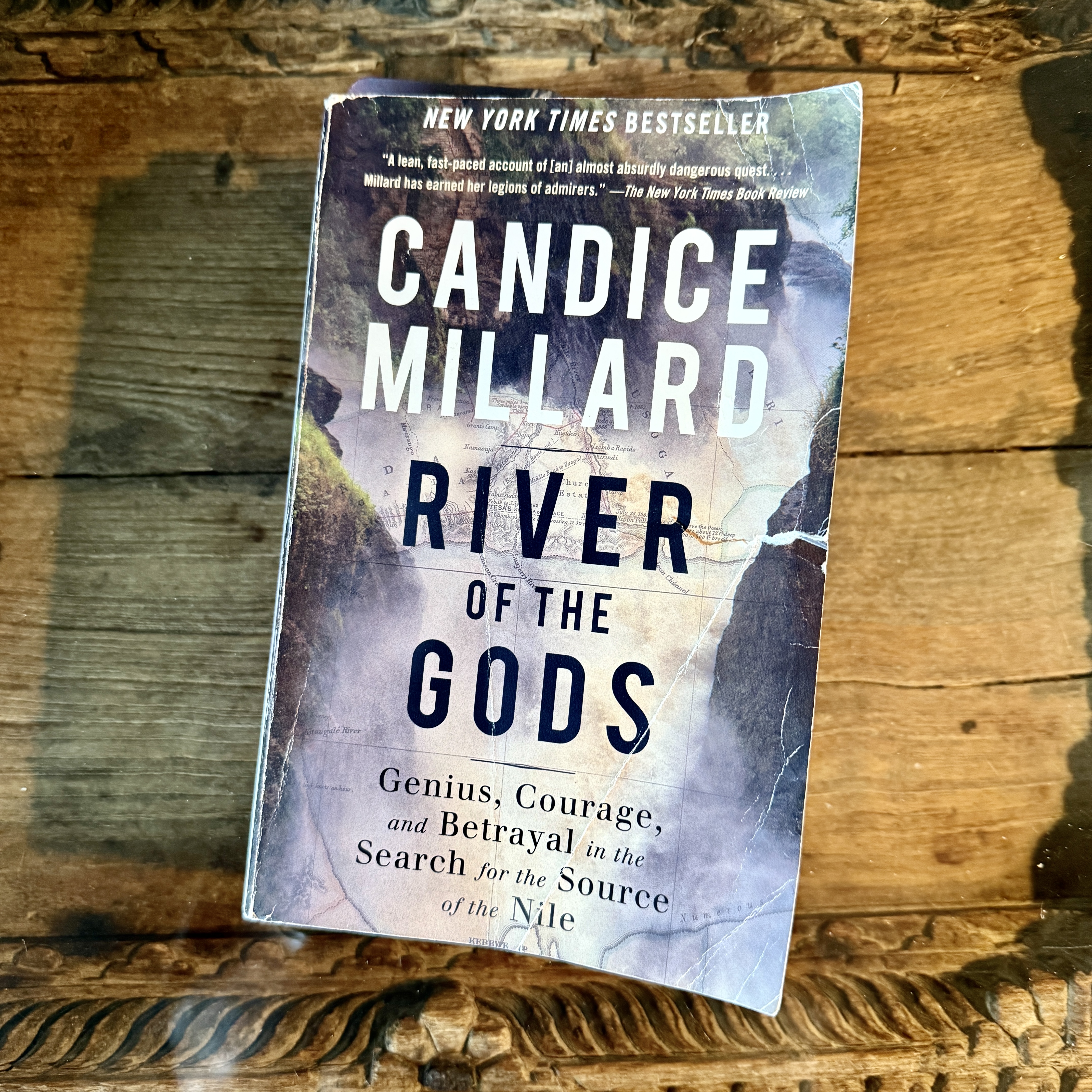
I loved this book. Candice Millard’s “River of the Gods,” tracks the 1800s obsession with finding the source of the Nile. Again, I don’t know any modern people who could have done what these folks did. Not one. If you can dream up a worst-case scenario of how an expedition/adventure could end, well, you might start to get the picture. From starvation or being attacked and slaughtered before you leave your first campsite, to dying a slow death by fever, these gents had it all. And the timelines. Good grief. “Okay, leaving today are you?” “Well okay then, see you in four years, maybe.” Despite all this, now I want to see these places and float the Nile. That’s the sign of a good book. (The description of what some of these fevers and diseases did to the men is worth the read. Makes Lyme look like a stubbed toe.)
Comments 6
Float the nile! The saying in Sudan is once you drink from the nile you always want to come back.
Author
Yes. I’ll skip the drinking and go straight to the coming back.
A good book always leaves it’s trace in the mind, that resurfaces when one tries to find some inspiration
Author
They are like stains. Mental stains.
That explains those crappy stains I have. Antidote?
( know what you’re thinking. No Guillotines available
Author
I’ve got nothing.