

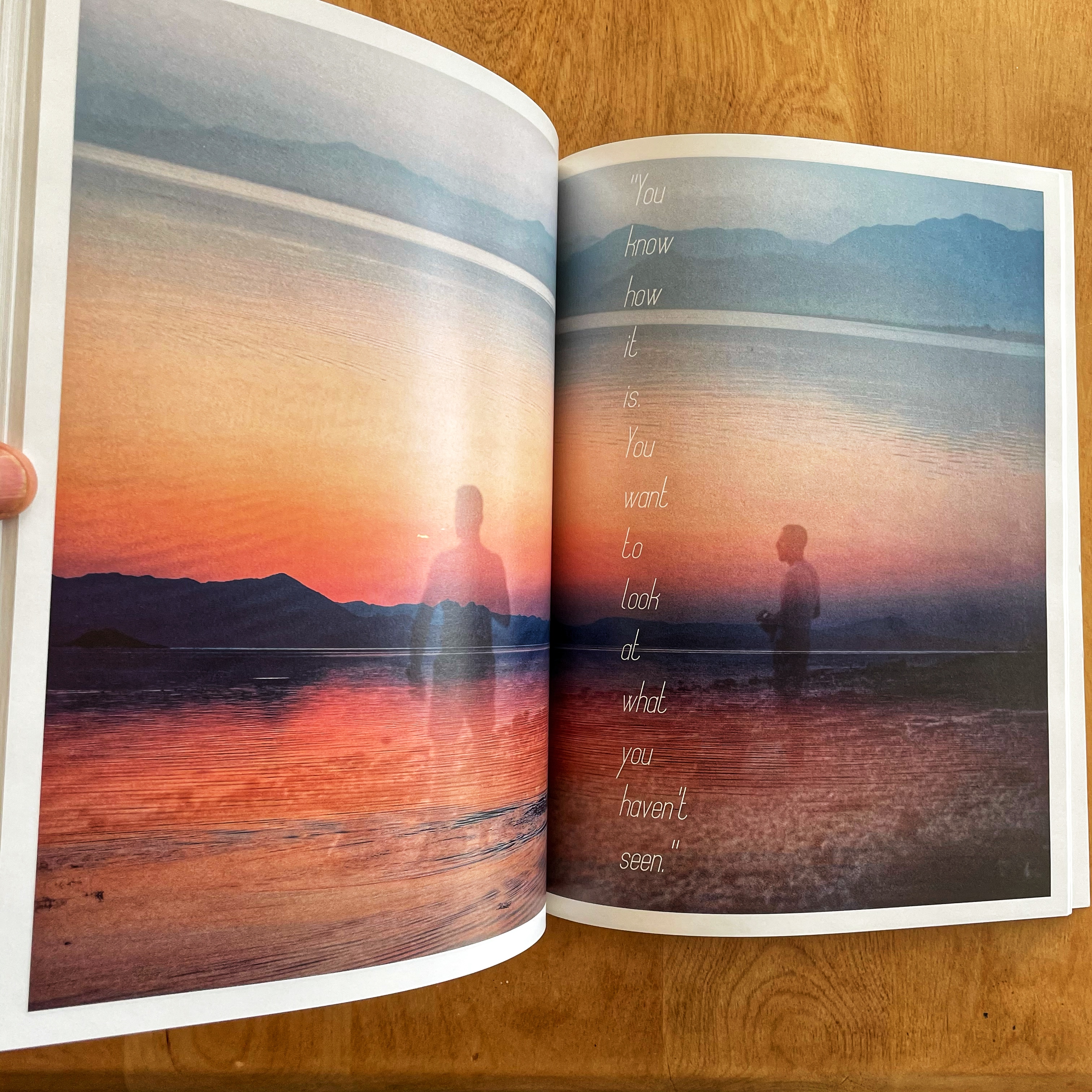
I don’t care how many images you make or how many pages you design. My goal is to urge you to create something with a mood or feel. I want you to avoid the idea that you need to create something “perfect,” whatever that means—images or books. I want to apply this advice to my workshop students who are always under pressure to produce. But let me first tell you why I’m writing this post. Someone sent me a link to the Instagram page of a European photographer collective. The collective was landscape/nature-based. Up popped a perfect wall of color. Perfect. Sunsets through clouds, dripping rainforest branches, and incredible oceanic activity. There were paddlers and hikers and riders, all in perfect conditions. I love nature. I love the outdoors. I love physical activities. This site should have been PERFECT for me.
And yet I felt nothing at all.
And when I say “nothing,” I mean I felt lesser as a person for watching what was before me. That might sound strange, but the page left me feeling hollow. The imagery was perhaps the best example of “content” I’d ever seen. The kind of thing we see all day, every day. The kind of stuff that brands lap up. Safe, perfected, expected, and void of model releases. The kind of thing that will soon be consumed by artificial intelligence.
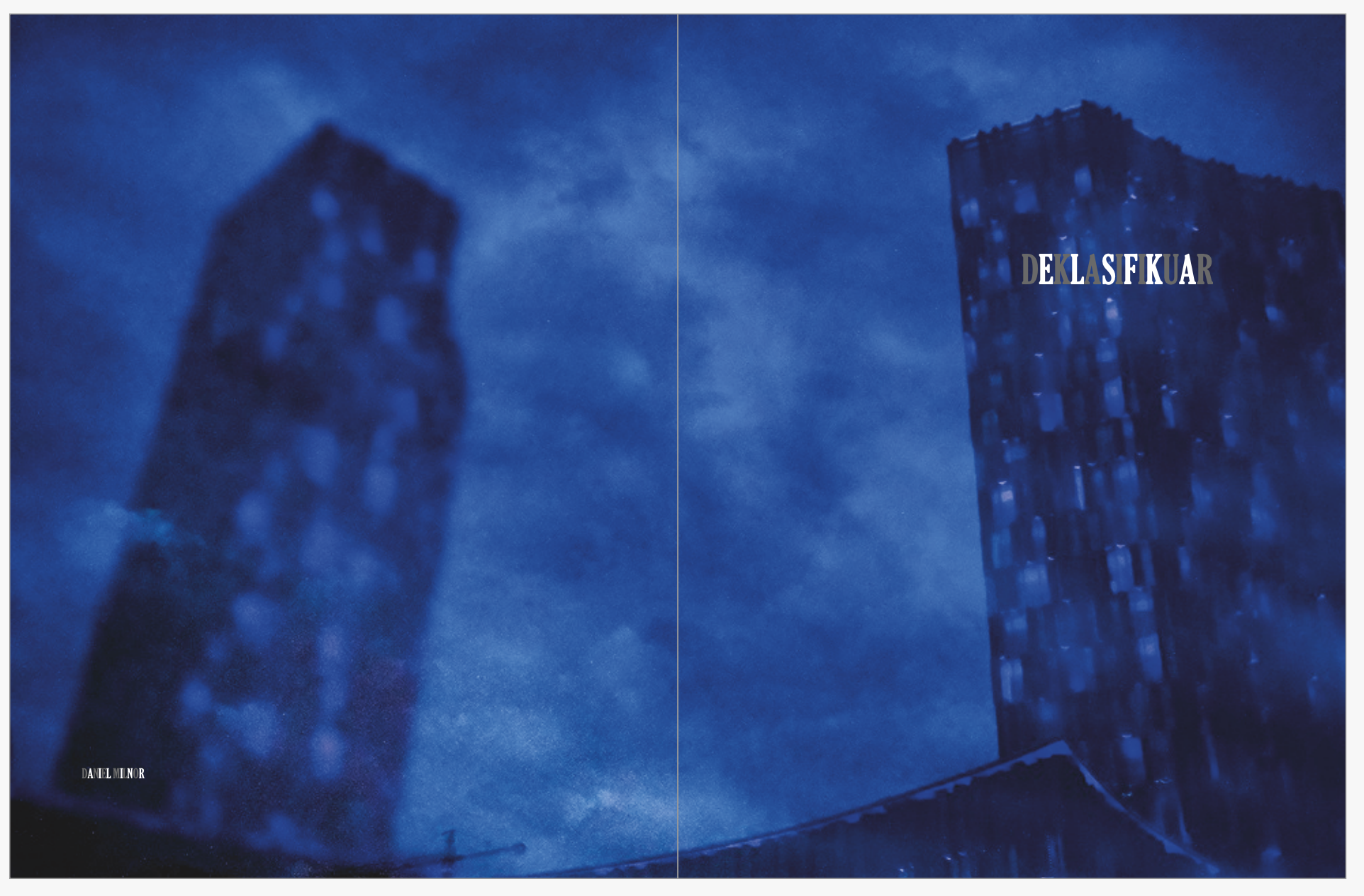
The work had no feel or mood. It felt flat and plastic. After giving the page a second chance, I realized I had never seen ANYTHING in nature that resembled what I’d seen on the page. I’d never seen a purple that purple. I’d never seen a paddler doing what they were doing in those images. I’d never seen a sunset crafted and polished the way it appeared online, nor had I seen the sun as large as it was represented. Simply put, too good to be true.
Now, I want you to think back. I want you to think back to past images you have encountered in your lifetime. Those odd moments captured by anyone, not necessarily a professional photographer. My mind goes to a 3×5 print I found in a box of images my mother made while visiting friends in the Caribbean. The images were what you would expect. Random, questionable exposures, odd cropping, and composition. All but one, and the one stopped me in my tracks. The image was a portrait of sorts, the subject off-center to the left, with a nice falloff. The light was coming from the right, and the subject was focused on a book they were holding in their hands. The background was a classic Caribbean cottage. Light blue and covered in island ephemera. I couldn’t stop looking. The picture had such an impact, it felt like it was the ONLY image I needed to know what her trip was like. Was this a picture that would have won a contest? Garnered massive views or likes? No. But it had feel.

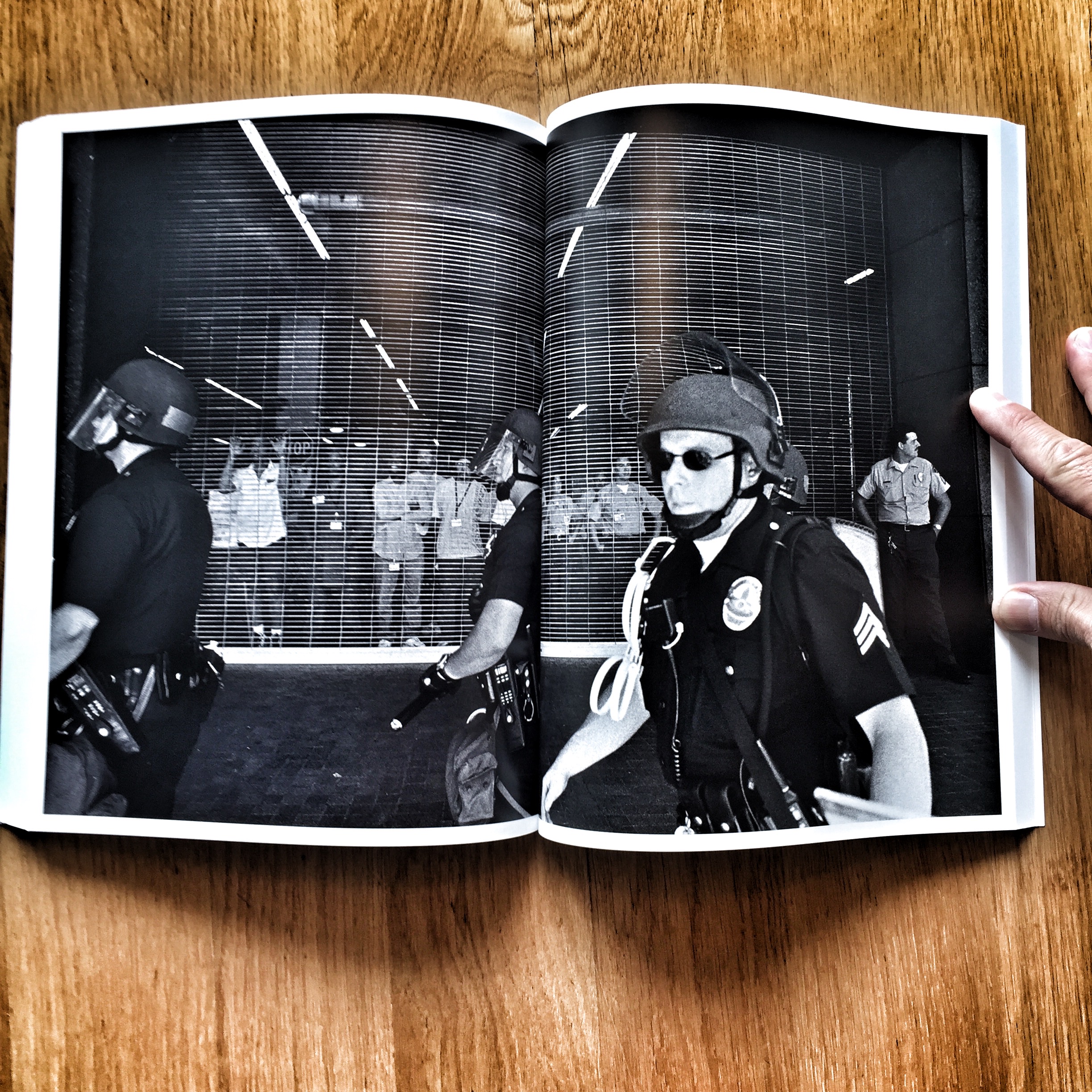
During my time in the newspaper world, I ran into all kinds of photographers. Some generalists could conquer nearly any subject matter. Others were spot news junkies, sports junkies, and a few who could pull off a top-level fashion shoot. Some gearheads had all the latest gadgets, and others were still using tech from the 1980s. There were plenty of photographers who could produce what they needed to produce, even at an extremely high level, but their work didn’t always have feel. And then there were a few oddballs who made pictures that floored the rest of us. They might not have made as many images as some of the more polished snappers, but what they produced made you swallow hard and realize you weren’t as good as you thought. With these folks, feel and mood were essential elements.
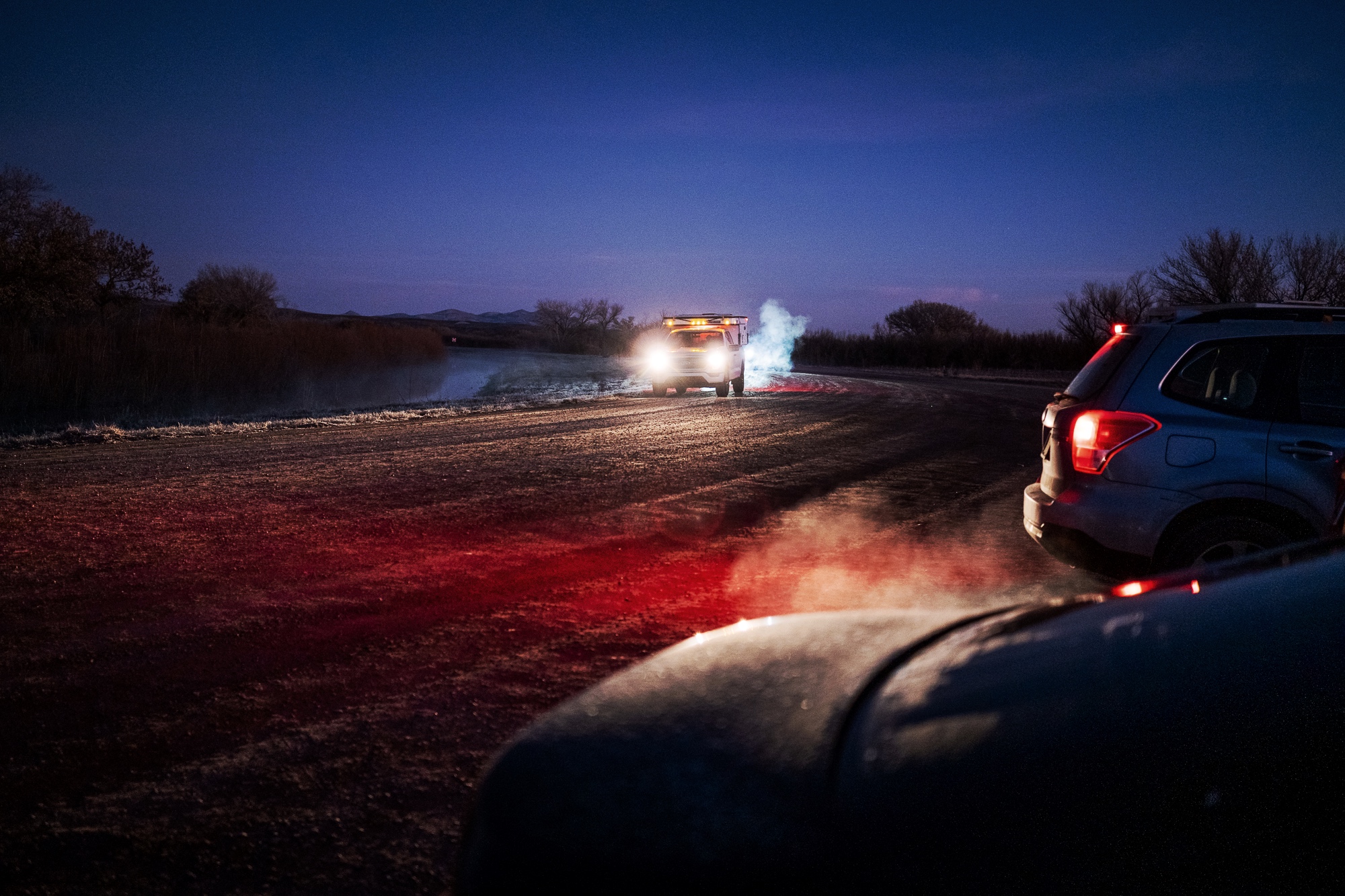
Maybe what I’m after is the snapshot. Images around the periphery of what we think we are after. Images made when our guard is down. Images that aren’t supposed to define us. Images that work well with random other things, like copy, drawings, and explanations. Off stage right or left. In between moments, we dismiss at first. But something about them brings us back to reconsider, and that’s all we ask in the modern world. A moment to take a breath. A moment to ponder. What was the intention if we had no intention?
PS: I think certain cameras lend themselves to the style of image I’m talking about. Leicas and X100’s in particular. Less so with larger mirrorless systems, which work well for the commercial stuff, but aren’t small enough to lend themselves to odd moments. For those of you wondering what meaning feels like with the written word, please watch Paterson.
Comments 11
Excellent post, and your point is one that can’t be made often enough. I’ve noticed that a lot of people into photography shy away from emotion, especially raw or deep or complex feelings. It’s easier to default to “perfection” — a hyper-refined still life, or those landscapes you mentioned. They’re smooth and ultimately safe. (I think this is part of why gear talk is so ubiquitous — you want to talk about the art, but in a technical, safe way. Ironically, conveying emotion and mood is what makes a great photographer great. That’s the defining quality, at least for me. Those curated still lifes are cute, but pretty far from significant or meaningful.
Author
That’s the poison of YouTube. It’s created a strange ideology regarding photography. Overly curated is what content is all about and content is what is keeping the industry alive. Most people don’t have time for good work any longer.
Thank you, Dan. What jumps out at me is “kind of stuff that brands lap up”. In today’s works, brands are definitely a part of life (for good or bad). But they are not life. It seems that “feel” comes from life.
Ugh. “In today’s world” not “In today’s works”. Sigh.
Author
Brands are moving fast and basing their actions on metrics more than photography. It’s the current model.
I’ve been thinking about this for a while (and written an unposted blog post). I know I did my favourite (and possibly best) work with a 35mm and my Leica and nothing else. Snapshots basically, no zooms. I’ve noticed that I get ‘better’ results when I do ‘something else’ and have a camera at hand.
Author
Yes, it took me a long while to understand this. It’s not that I can’t make good work given the time and access. It’s that the meaning of photography has changed.
I often find that this point is the main fatality when discussing gear. You can buy the “perfect kit”, upgrade to the latest camera and lens but all the gives you is “perfect” representation of your subject. It does absolutely nothing to help you tell a compelling story. In my opinion photography comes to life in interpretation. If there is nothing to interpret – then we feel nothing.
Author
Many of the “photographers” watching those reviews and obsessing over the “perfect” anything don’t actually make photographs. They just talk about making photographs. It’s part of the disease that is YouTube.
You had me at Jim Jarmusch.
Author
So quirky.