

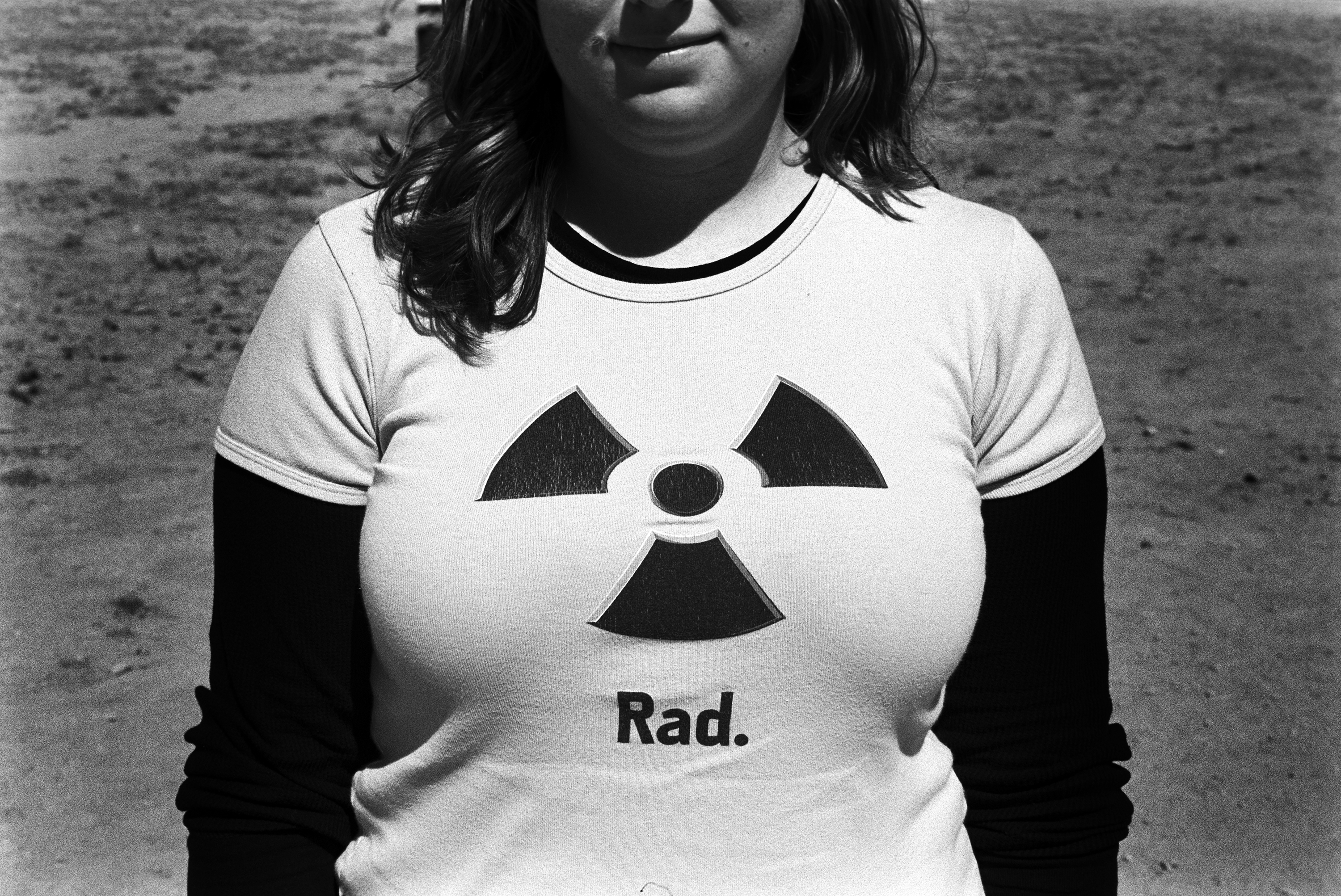
For now. Just for now. Don’t panic, street photography lover, posting to Instagram, that community will be there when you get back. You could say, with high probability, the street community is the most vibrant in all of photography, well, on the online side. The industry doesn’t pay much attention to street photography because less than 1% of street photographers turn that work into jobs. It’s not like street isn’t a valid pursuit, it is, but when something doesn’t come with an ROI, it often gets pushed aside in the photography market. (I did one street photographer who got a sizable corporate job based on his street work, but the images he made for the client were basically staged. Clients get nervous around real.) If you watch this film, you can see me talking to this woman. Talking to her allowed me to explain myself, the project, and get this close to her without it being uncomfortable.
For the love of Thor’s Hammer, you’ve got to find a project, a story, a narrative, and ditch the random for a moment. FIND…A…STORY.
This is EASY. It is. It might take practice, but once you figure out the methodology, my guess is you never return to random, other than to entertain yourself and stay sharp. And even better, stories lead to books. Why do so many online snappers and YouTubers avoid books? No story. It’s far more difficult to make sense of randomness than a theme or narrative. And guess what? You can find your story while doing street.
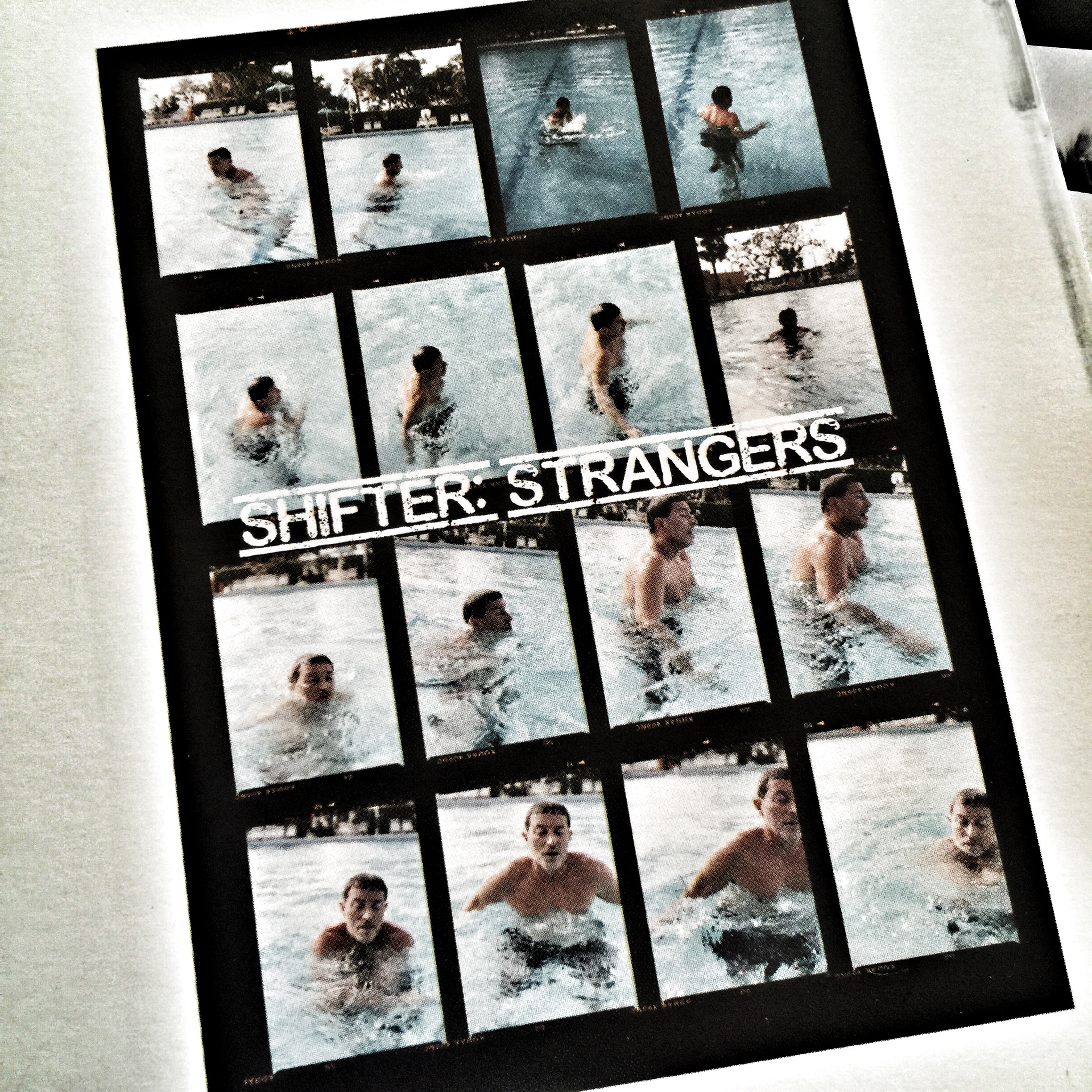
I see a lot of work. I’m a portfolio reviewer and a judge for some of the most important photography contests remaining today. In late August alone, I will review and provide feedback on two hundred bodies of work. In the next five weeks, I will co-teach a two-week workshop, judge a contest, teach another two-day shooting class, give several talks, and attend a festival where I will review portfolios and participate in the bookmaking class.
Consequently, I see a lot of what I would call “random street.” I’ve seen so much that it all blends together, but here is the kicker: inside most of these bodies of work are an image or two, yes, just one or two, that might beg further inspection, but when I see one of these images, normally portraying a person, and I ask, “Who is THAT?” the answer is invariably, “I don’t know, didn’t talk to them.” Boom, right there. Stop. Just stop. Put this superficial method on hold.
Start talking to people.
This scares many photographers because you have to engage, slow down, and explain yourself. There goes the algorithm. And if you turn and post to Instagram, and they see it, out goes the trust. They know you are a digital crackhead, and if you don’t respect your photography, why should they? Don’t post, don’t share, don’t show them if they ask. Tell them you are taking your time and that you want to do the best possible edit before showing them their image.

For the love of God, don’t shoot by holding the camera out at arm’s length. Please, please, please, don’t do this. Use the viewfinder. The viewfinder quiets the scene and begins to work on the psychology of the moment. When your head moves to the finder, and suddenly your face becomes invisible, the power and energy of the moment is focused through that front element and pulls you closer to the subject. It helps them collaborate. It shows them, at that moment, there is nothing more important or closer to them than you.
Compare this to snapping unsuspecting people on the street, and there is no comparison. If you’ve never worked this way, welcome to the first day of the rest of your life. Again, throw out everything you’ve heard from the online shiny objects, and imagine yourself stepping into a pit of quicksand. There is no rapid return. You might go months or years without posting your new work. You might feel a physical detox happening, and no, I’m not joking. I did.
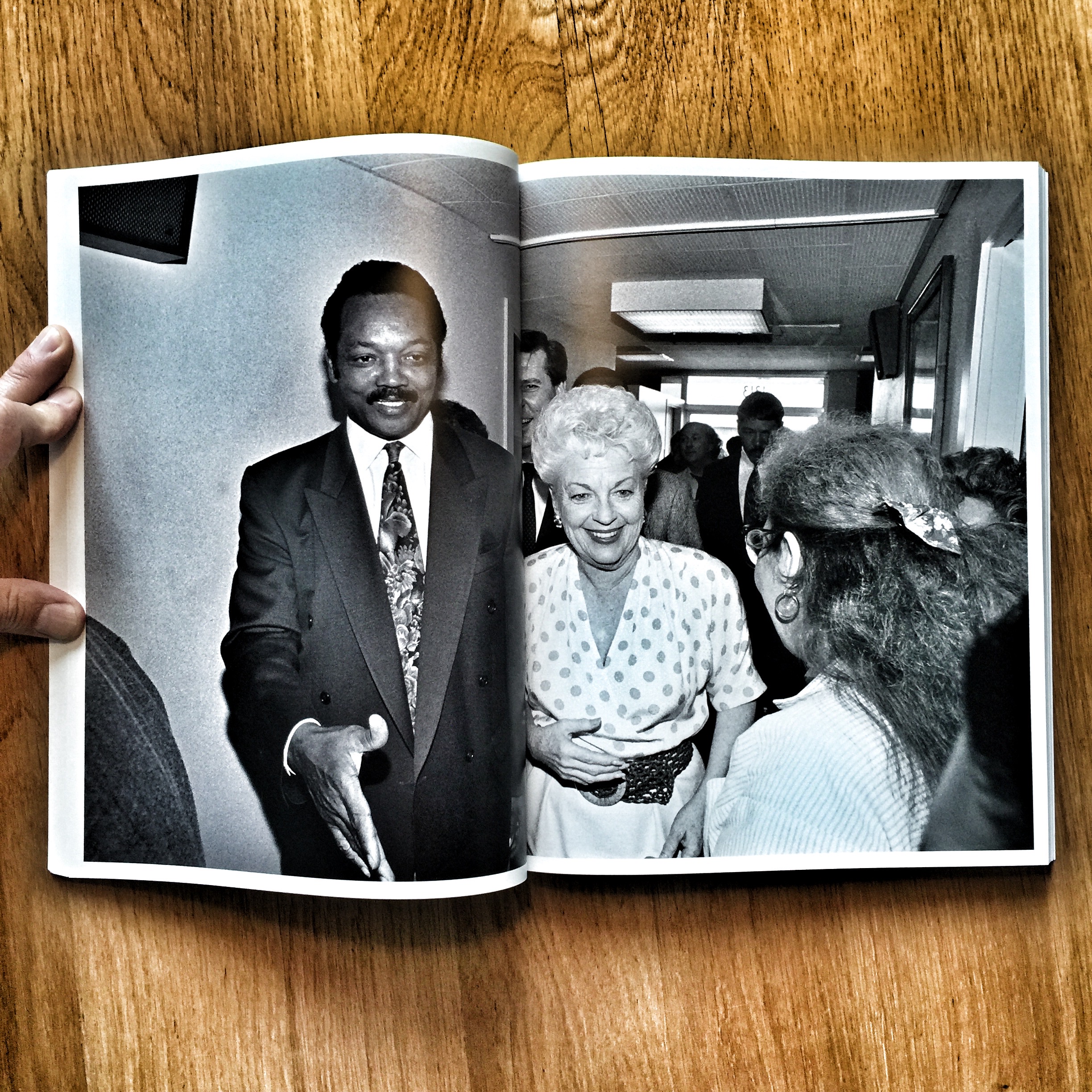
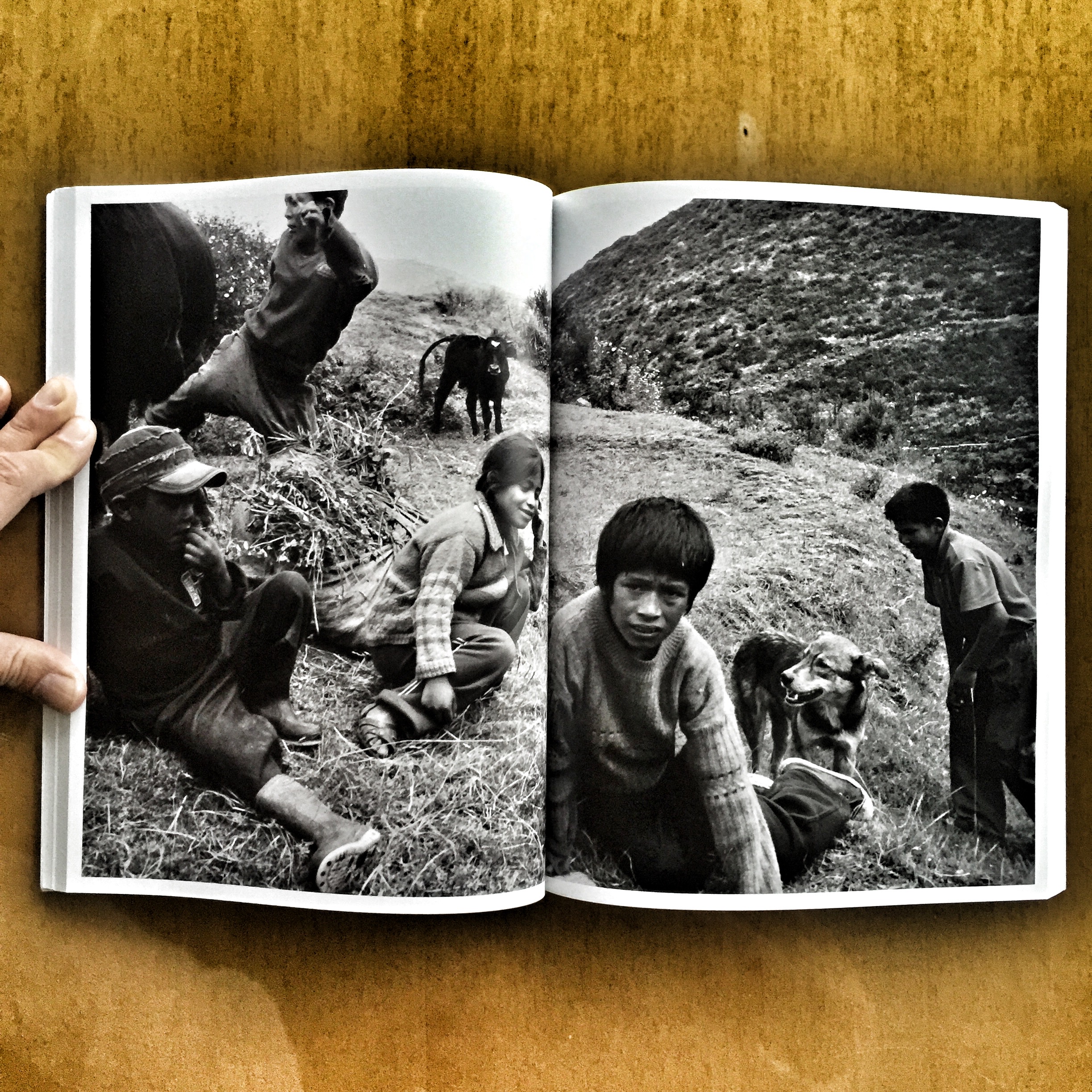
Better yet, show them their image in a printed piece. Show them how their image fits in the overall photographic puzzle. This will blow their mind. This will show them you are more than a tourist or social media addict. The print piece will open doors. The print piece is currency. And print is a masterclass in skillset. Shoot, edit, sequence, choose materials, marketing, design, typography, writing ability, and how to build a real audience, all wrapped up in one little piece of pulp.
Comments 26
what are your thoughts, in this context, on Winogrand and Eggleston. Do you find narrative (story) in their photographs and books? How about Walker Evans, who famously wanted nothing to do with the people he photographed (though Agee may have).
Author
Appreciate Winogrand’s tenacity, but never really liked his work. Same applies for Eggleston. I know why the hipsters love him, but for me, just too random and work that requires a lot being read into it. I was a Gilles Peress guy, Maggie Steber, etc. Long form story. Less art world, more real world.
But Eggleston shot with a Leica… seriously this is why Mary Ellen Marks’ work hooks me. She worked a scene and connected it over the years. I feel like I know people better and recognize our common humanity through her work.
Author
I was lucky enough to know her, speak at a few of her classes, and visit her at her incredible place in NYC. She was a storyteller.
The other day I learned about a French photographer named Sophie Calle, that is some great work and couldn’t be done with random, but part of it was found in the everyday randomness. Really got me thinking of several projects. Amazing artist hands down.
“I don’t have the capacity to invent. I can invent an ‘idée’ but I can’t invent a situation. I have to look at it, use it as material.”
Author
Ha, yes. A legend. Some good docs about her.
I’ve never ever felt particularly comfortable with the randomness of people-based street photography, and I often regret putting in the effort in the first place. It’s like you’re shooting from a hollowed-out version from yourself, without much substance.
I recently took the Magnum online course by Mark Power, Picturing Place, and although he does’t necessarily go out hoping to speak to people, he absolutely doesn’t hide from them either. Especially with a massive, obscure camera. And he spends years and years on single projects. I love his approach.
Author
I know someone else who took that class and enjoyed it. For me, talking to people is one of the best parts of photography…and I’m an introvert.
Did you have gaffer’s tape on the Leica M6 top plates to prevent scratches from a Leicameter? I noticed you had an incident meter in hand so I assume both were/are dead meter cameras. I dodged your hook kick for asking you that gear question by the way. I know how things work here.
How do you communicate to people that they will not see their results any time soon without losing any interest/opportunities? Do you always promise people frames?
It takes me ages to finish the whole expose, develop, print, scan pipeline without using a lab because of limited free time and unreasonable costs until I reach enough volume to justify a run. I have sent many people their images several months later because I have an enormous backlog.
I forgot to edit my name.
Author
Got it. Su nombre es Daniel.
Author
No, the tape was there to cover the engraving of the name of the person who originally owned the camera. I just tell people I’ll send when I can, and no, I don’t promise images to everyone. Most people don’t ask, but will if I know I can deliver. The worst is to promise and not send. Be honest and people will be fine.
Yeah I completely agree with the randomness thing, I got rid of my social accounts, I was sick to death of seeing another extremely edited mountain range with an orange cast and lightroom “clarity” at the end 100% or the same exact setting showing neon signs in a city scape at dusk.
Anyway ranting aside, I think am looking at starting some long form projects, just short listing my current ideas at the moment. I loved the idea you mentioned, in an older post now, about having a few on the burn at the same time so when you are somewhere anywhere you always have some storyline to follow even if it doesn’t fit you “main project”. I think trying to stay fixed on one big project for a long time was what kept me away from it but this solves that I can be a bit more fluid, We shall see!
Author
Yes, like the head of the cartel, take out that guy and seventeen more emerge. Same for stories, keep several going, perhaps some more serious than others. The less serious can often play a huge part in keeping you sharp.
A Great Read to Start the Day with my first cup of coffee, ” If I make a mark in Time, then I can say that mark is mine” Cat Stevens 🐊
Author
Good old Cat!
I’m not sure why, but I’ve always felt uneasy with the term ‘storytelling’ in photography. It may be, I think, too close to the written word, which is storytelling, or cinema/TV. I’ve always thought photojournalism is storytelling with pictures, usually, but not exclusively, with copy. Photojournalism has been cast aside by businessmen ( almost all men) who don’t want hard truths showcased in their magazines and newspapers. They don’t want to scare the advertisers. Is storytelling with pictures the new photojournalism, just going by a different name? I agree with your assessment of street photography. It’s the cocaine of the online snapper because it’s available, without too many technical demands…and because it has become understandable, gets instant recognition and consequently gratification. Eggleston was a rich man with not much to do. Had a trust fund and was able to shoot as many pictures as he liked. I also wonder, if he had not had access and the means to produce dye transfer prints, he would ever have been noticed. One can wax lyrical about pictures all day, if they are shot by a known photographer. Someone once said, ‘if you have to write about and describe a picture, it’s not good enough.’ I’m not sure if that is entirely true, but in many cases, it may be.
Sally Mann : Photographs of her family, children mostly, is that storytelling or family album? I guess both. There is a difference where photographic stories are concerned. The obvious and the nuanced. Robert Frank’s Americans, much revered, was his vision of America, but not to those Americans who didn’t want to see what he saw. He had to get it published in France because no US publisher wanted it. Was that book telling a story or a reflection of one photographer’s state of mind?
It is really important to get pictures off the screen and into books and prints. Random street scenes are an historical document of today, if they have a cohesion, all the better, and if they have a narrative, better still, but pictures of a silhouette walking into shrouded sunlight ‘aint gonna cut it.
Author
I think many who spend their time in the online space don’t know history, context, or even what’s a good photograph. They do what they have seen others do. Photojournalism is storytelling with images, or in other words journalism via visuals. One thing that gets lots in the online space is the difference between photojournalism and documentary photography. Things like ethics get downplayed because hardly anyone in the online world has any training, and have never done a journalism assignment. It’s a very different environment than anything else I experienced as a photographer. It would crush the snowflakes, and I mean crush.
I doubt anyone cares about ethics anymore. Lies, lies and more lies. The fake noos badge has rendered ethics impotent.
Author
There are plenty working in journalism who still have ethics and take it seriously. The owners of their news orgs might not be so keen.
I used to cover a couple of sports, following competitors around through multiple seasons. I’ve never really thought about it being a way to build a body of work, but I did want to make one observation about the value of talking with your subjects and getting to know them better. Before you decide even whether to share any of the images publicly, the images that come out of a connection that runs longer over time or deeper than a “hey, can I take your photo?” actually mean more to me as well.
I can think of some of my standout images that were usually taken in some deeply frustrating moment where the competitor just failed to achieve a deeply held goal. They were crushed, and might hide in the team pavilion from the crowds out front. But they (or a team manager) would see me and wave me in. We’d talk, I’d listen, and I’d ask if I could take a photo. They would always say yes. The competitor knew me, trusted me, and were willing to be vulnerable.
I know I’ll never get that doing street.
Author
I think there are plenty of good stories buried in some of the street photography “projects” I see but the photographer either doesn’t know, or is scared to talk to people. I also find that many street photographers are performing for other street photographers, which is rampant in that community more than any other community I see. They feel this unreal and counterproductive need to post everything in real time, or at least once a day. That does nothing but undermine your entire career, but not if you are performing for the community.
I may have asked you this before. Apologies if I did. I have an idea for a project that is local to me, but it would entail a few portraits, and I have zero portraits in my overall portfolio (yes, I’m a trees, rocks, shrubs, etc guy). I feel like it would be a pretty big opener if I had a small portfolio or something containing similar work to show the potential subject/s. Aside from that, the only thing I can think of is to arrive with a clear and easily communicated intent and hope for the best.
Author
Mike, start with people you know. Make their portrait. Learn, practice, then deploy on strangers….
Thank you, Dan. I forgot to check back in on this. I bet I can strong arm my colleagues and co-workers if I buy the burritos or pizza. (healthy lunch wins. Ha ha)
Author
Anything for a burrito.