
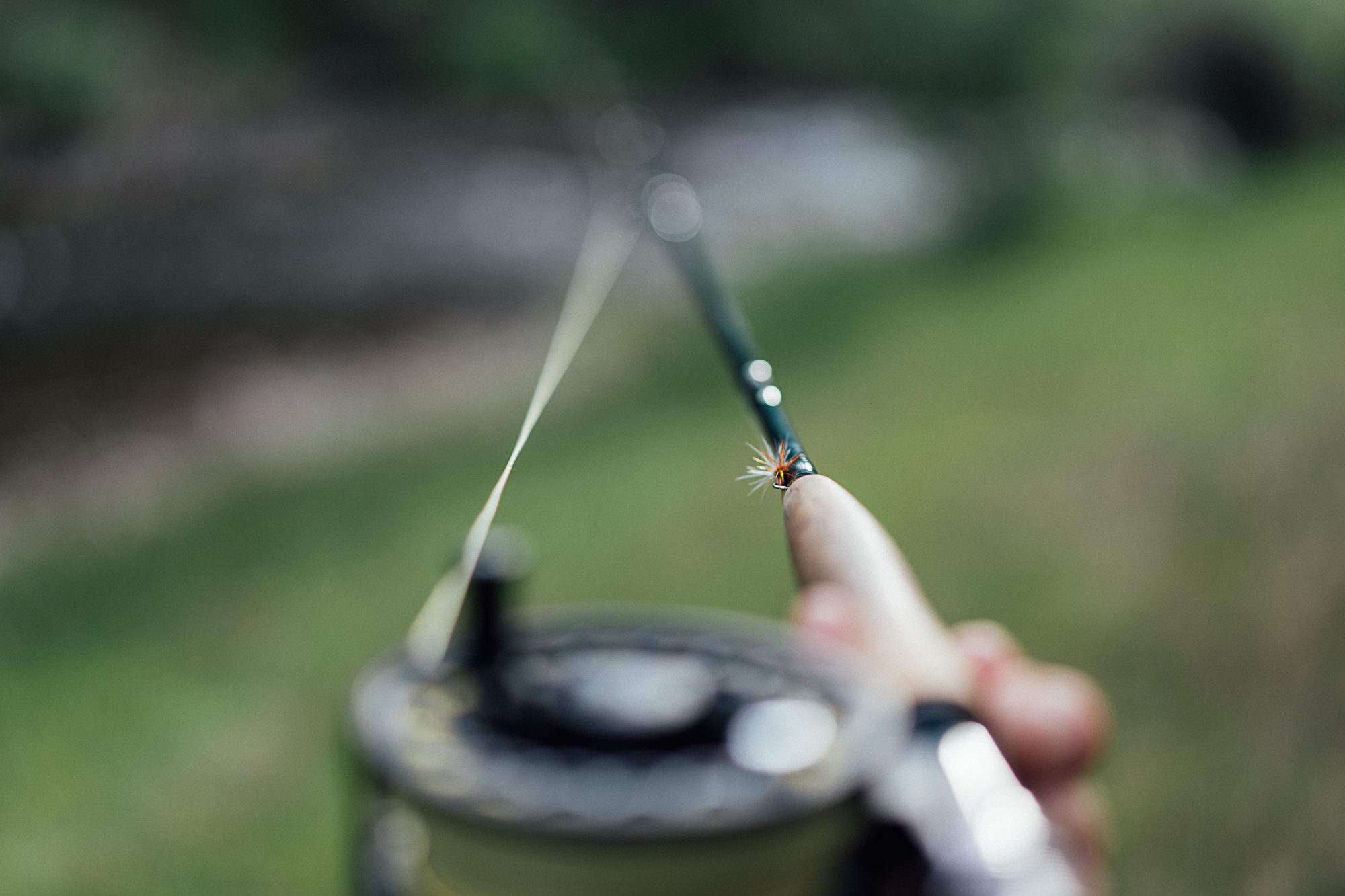
Have I mentioned how much I love getting back to this site? There are a few of you out there who need a refresher course in what this site is and what it will be, or maybe what it won’t be. This is not a site for super geeky photography types. I’m not trying to discourage anyone, but as we all know, there are quite a few folks out there who are more interested in the nuts and bolts than the finished photographic product. I do think the geeky types can learn from this site, but just wanted to be as transparent as possible.
This is and will be a site for those interested in making photographs, photography education, photography editing, sequencing, photobook making, etc. And this will be a site about photography as a small part of a larger conversation. If that sounds like you then you are in the right place. This is also a site about reading, writing, art, travel, adventure, and curiosity in general. Yes, yes, and yes. Welcome aboard.
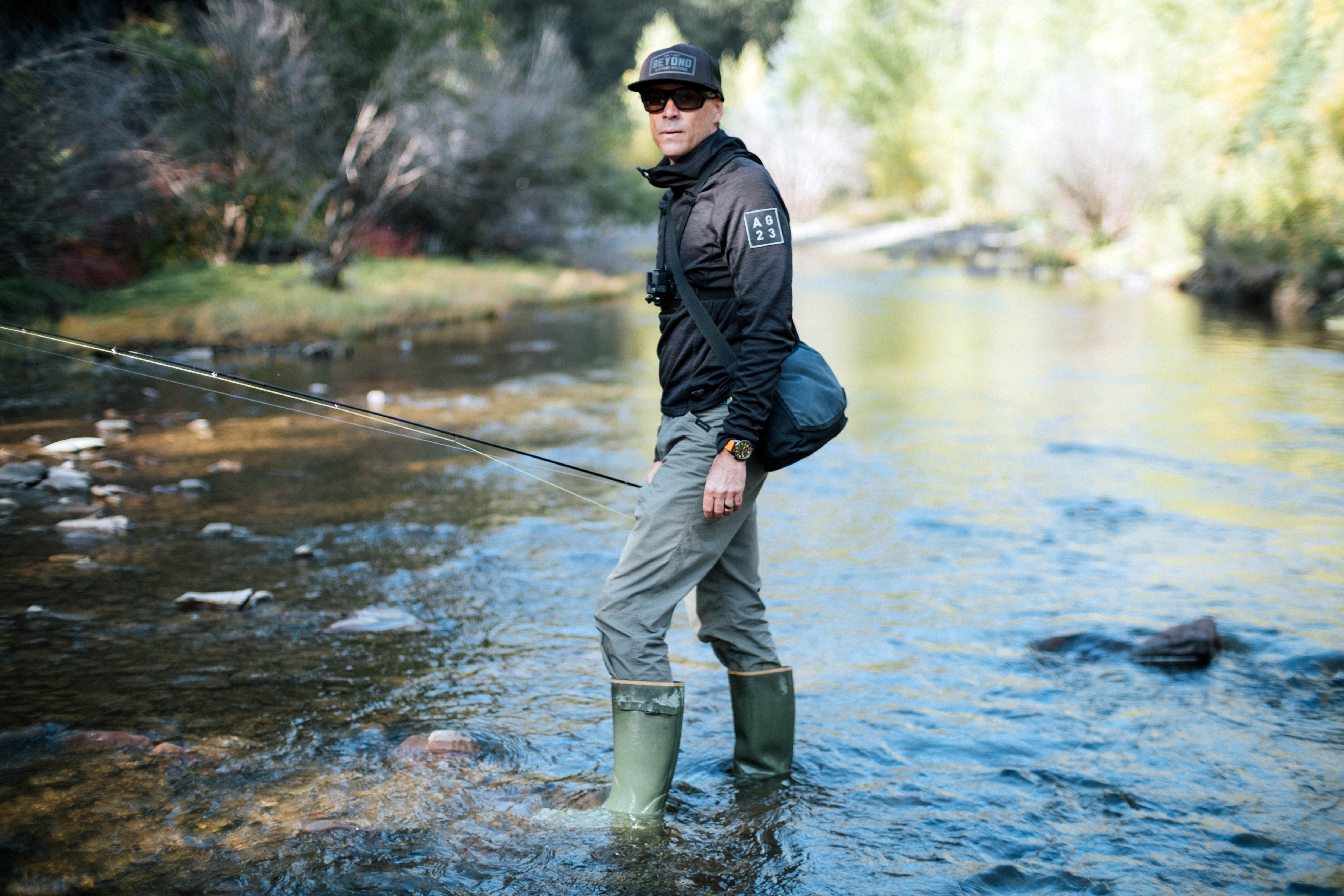
Recently, someone reached out and asked about fishing. Due to my extensive time around the creative industry, a place very much NOT in harmony with things like hunting and fishing, I was a bit surprised. You mean there is another arty type who dreams of tight lines? Apparently, I am not alone. But there’s more. This person said they were interested in the how-to of fishing but that they were more interested in the philosophy of fishing and how it ties into conservation and the environment. This I find intensely interesting.
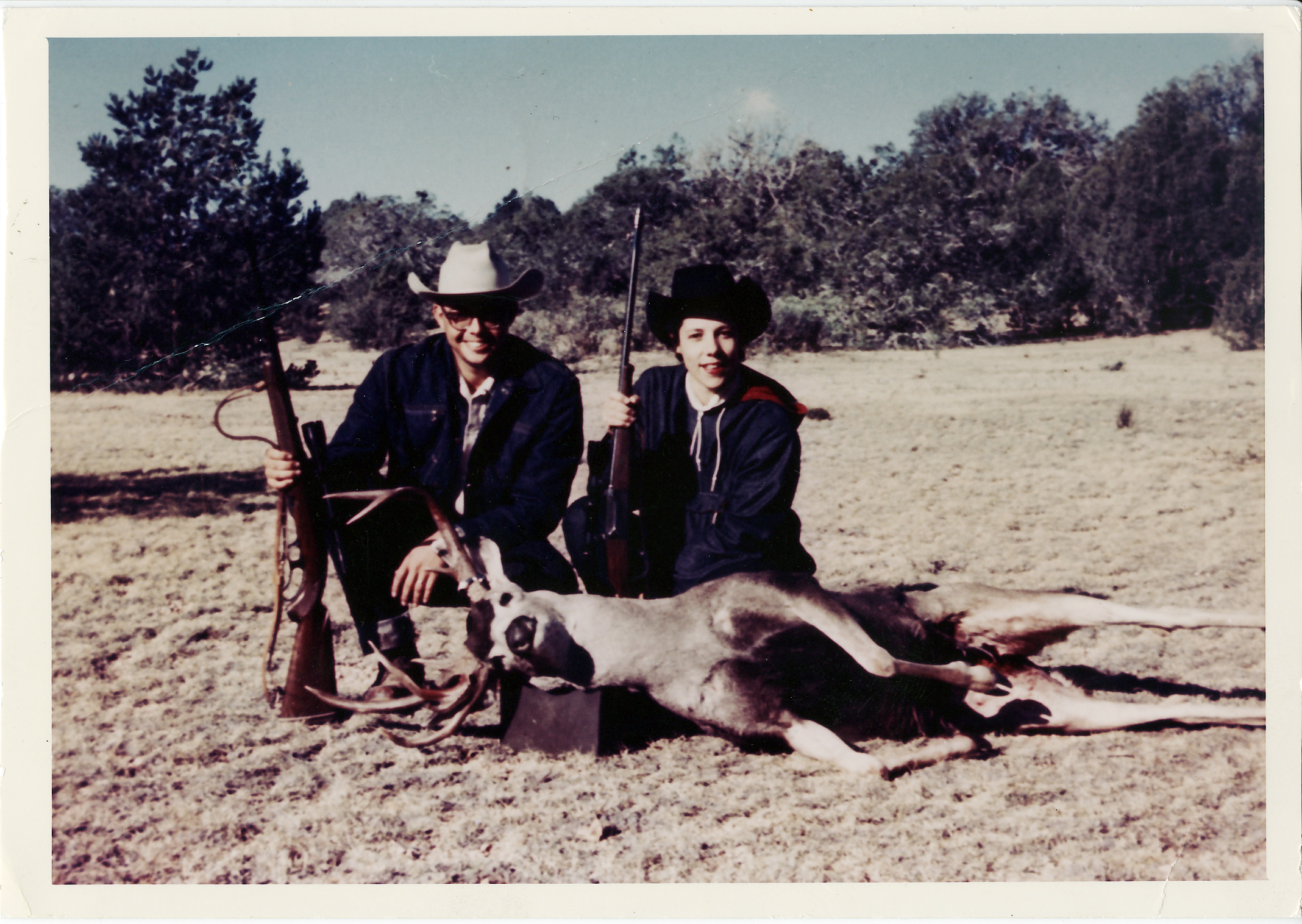
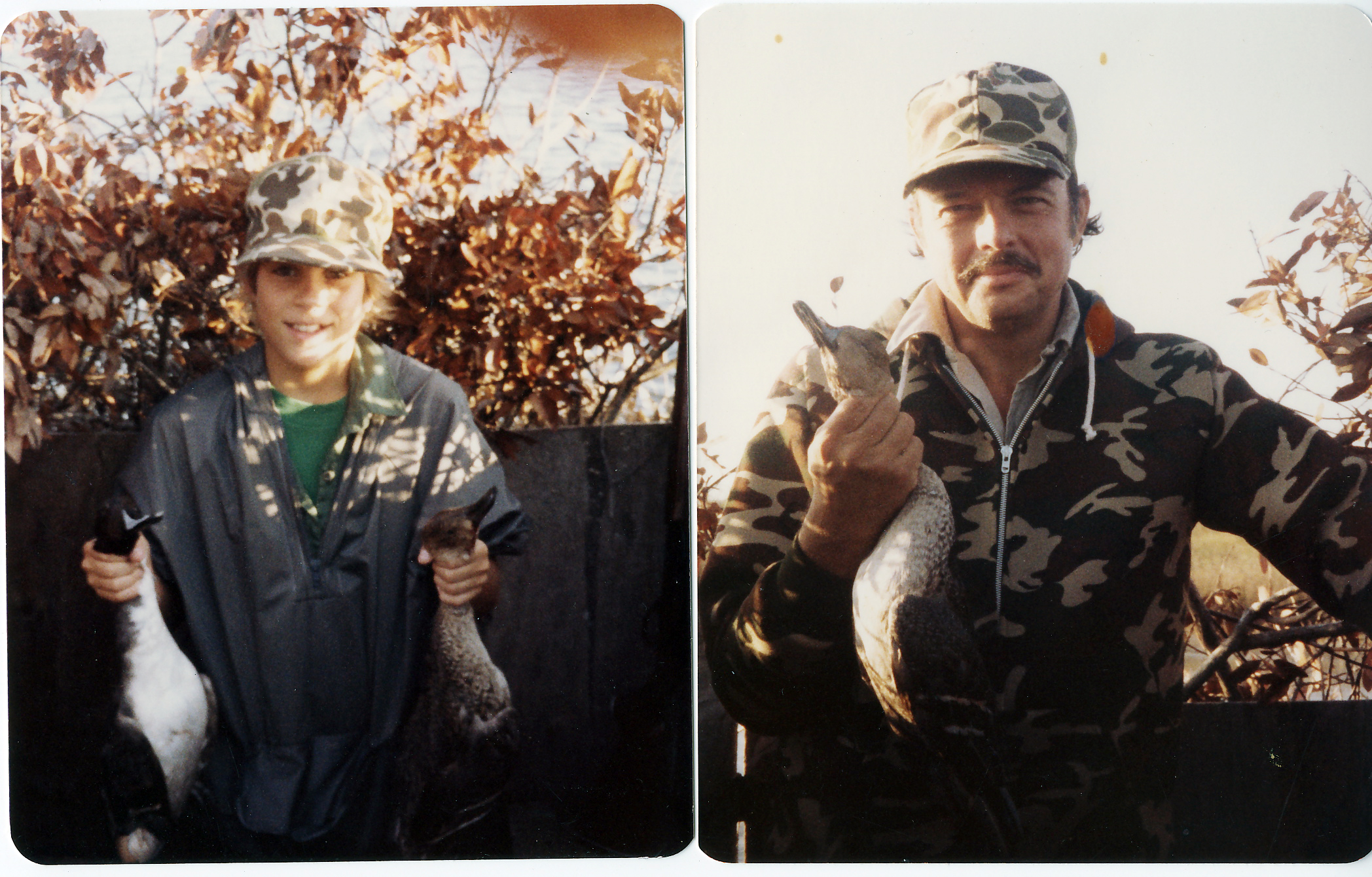
I grew up shooting birds.
Both my parents hunted and fished. Big game and birds, and when it came to fishing they covered a lot of bases. Tarpon (on the fly), snook, smallmouth bass, largemouth bass, trout, bonefish, pike, walleye, permit, lake trout, grouper, and more. And when it came to birds, well, not much escaped their shot pattern. Ducks, geese, chukar, quail, dove, pheasant, and more. After all, it was my petite little mother who taught me the expression “If if flies it dies.” I spent many days and weeks in the field and on the water with my parents. In fact, these times in the field and on the water were some of the most important times in our entire relationship. (And not one minute with sunscreen. Good grief parents.)

It was my father, the hunter, who taught me about conservation, and this is where this conversation typically veers off course, especially when I’m surrounded by my creative friends. Mention hunting or fishing and you mostly receive looks of dread or quiet mutterings about how offended they are while they signal the waiter to order their favorite steak, chicken, fish, or better yet VEAL. (My mom used to eat veal, but even she gave it up.) In the words of Doc Holiday, “My hypocrisy knows no bounds.” Oh, and for those of you who say “Well, it’s different.” I hear ya. I really do. And I can understand things feel different when a gun is involved, and rightly so, but I’ve been to commercial feedlots, commercial chicken farms, and commercial fish farms, and I can say with first hand knowledge, hunting is way more civilized.
But let’s get back to conservation and the environment. People who hunt and fish are diverse and confusing like all subgroups. They do good things and they do bad things. One of the more semi-ironic things is that people who hunt and fish are often more involved in conservation and the environment than those who work for conservation and environmental organizations. How do I know this? Because I’ve been experiencing this phenomenon first hand for decades.

Several months ago, I was listening to a birding podcast because I’m old and my life is mostly over. The guest was a world famous birder. Halfway through the interview he said “Well, I was out hunting…..” The host sounded like he crapped himself but was able to mutter out a follow up. “Did you say hunting?” “Yes, I hunt birds,” the guest replied, “Make sure you get your Ducks Unlimited stamp.” Yes, the infamous stamp. The same exact stamp my father spoke about thirty years ago. Turns out, Ducks Unlimited is leading the pack when it comes to migratory bird/duck conservation. One of life’s little ironies I find so enjoyable.
A quick side story before I get to the dazzling fishing ideology. Many years ago I was working on a documentary project about “Man vs Nature.” This project took me all over the place and was a total blast to work on. At one point, I found myself in a juicy little fight between the Sand Association and the Sierra Club. These groups were fighting it out over a stretch of dunes, and I figured this might make a good picture or two. A conservation day was organized and the groups squared off across miles of open sand. The only problem was the Sand Association had a least a hundred people out cleaning up and cordoning off, while the Sierra Club, in all their bluster and threats, mustered exactly ONE. Now, I’m not summing up either organization based on this one encounter, and I am not an anti-Sierra Club guy. Not at all. But I can’t unsee what I saw.
When it comes to fishing, a few suggestions.
- Just learn. Fish are like birds. If you spent the rest of your life studying you could never exhaust the amount of information fish would provide. Heck, even if you narrowed to ONE species, like trout, you would be hard pressed to find the end of the rainbow. GET IT….RAINBOW….TROUT. I CAN’T KEEP GIVING YOU ALL THESE GEMS. Just learning about each species of trout and how things like weather, water temperature and flow impact how they operate can take weeks, months, years.
- Understand that public access to fishing is disappearing at an alarming rate, often due to private landowners illegally fencing off public lands without any penalty from the authorities who are supposed to be monitoring these things. COVID made this exponentially worse because funding for rangers and wardens is way down. One spot I fish was fenced off by a second home owner from another state who fenced over a public road and has yet to be fined or reprimanded. (90% of the best trout water in American is now privately owned. And in places like Texas, private land owners are fencing across rivers claiming they own the river itself.) This is an interesting little piece about Colorado with a positive New Mexico mention at the end.
- Take a step back and understand the environment. Fishing puts you in some of the most beautiful places on Earth. Take the time to understand the entire ecosystem.
- If you thought photographers were geeks, fisherman are way worse. You don’t need to tie your own flies. You don’t need seven rods. You don’t NEED to fish Tenkara to be cool. (Tenkara hipsters are worse than film photography hipsters.) You don’t need high end or fancy. Less is more. I have two fly rods, but did inherit more from my parents. I have ONE box of flies but throw the same fly 90% of the time. I have one spinning rode and reel and one casting rod and reel.
- Fishing is not about numbers it is about experience. Just like bird hunting is as much about watching the dogs work as it is about how many birds you shoot.
- Avoid bait fishing, at least at the beginning. Try spinning or casting or fly casting. It’s way more work but way more fun. However, if your real goal is to pound an eighteen pack of Busch Lite and you just need a place to do that, well, a shoreline is as good a place as any.
- Fishing takes time. This is a GOOD thing. It’s the opposite of digital life.
- Fly fishing, spinning and casting take practice and require skill. A lot of non-fisher people do NOT know this. They ONLY know the drunk guy sitting next to a lake with a giant cooler and fresh puke on his shirt. When you talk roll casting or fly placement they glaze over and default to the “I don’t want to torture animals,” approach. Ignore them and find new friends.
- Learn the historical figures who fished. From Roosevelt to Hemingway to Marilyn Monroe, Bush, Obama, Justin Bieber, Taylor Swift, Indiana Jones (Ford) and zillions more. Half of these names surprise me, which makes me wonder why.
- Check out fishing art. Many naturalists are also artists. I am amazed at the quality of work I find in this realm. This is the artist behind this work. Quite a resume.
- Non-fishing types will try to make you feel bad about fishing. Ignore them. Most are unhappy, uneducated when it comes to fishing and tend to also be insecure and afraid of the outdoors.
- Catch and release when possible. Never pass your limit.
- Don’t use dynamite. (Just kidding.)
Comments 23
(Rick)
Among the various things I love about this page, is that it repeatedly shows us how photography is just a piece of a bigger picture and how exponentially more fun it becomes when one takes in the whole view. The things you mentioned in the beginning of this post, which sum up the features of this site, are exactly the things I look for in my life. Finding all those things in one site is a blessing.
I also find it quite surprising how so many people lack the info about the obvious link between conservation and hunting/fishing, when our ancestors were hunters and gatherers. I feel fishing forces one to know and understand more about ecosystem than any other.
Loved the information you gave out on fishing. Keep them coming Dan!
Author
This is just my opinion, but I feel like most of what I see about photography online misses the big picture, and by a long shot. It’s like Bruce Lee saying “It’s like a finger pointing at the moon.” “Concentrate on the finger and you miss all that heavenly glory.” That’s photography online. What camera, software, printer, etc. Misses the point of “What did you make?”
You need a dog.
Author
Love dogs. Travel WAY too much.
I’ve always fished, but salt water and mostly from a boat. Rod and reel looking for a shoal of mackerel or line just off the bottom for bass. That was when I was a kid and my Dad (and his friend) taught me. I still have our reels in my garage. These days I mainly free dive and spear fish. I get to select exactly the fish I want to take home and eat, but most importantly diving to 15+ metres on a single breath, waiting for the fish and not screwing the shot whilst you brain is screaming at you to breathe is great for learning yourself and controlling your feelings. If everyone could experience that level of control just once, I think you’d struggle to keep people out of the water!
Author
I think many folks are afraid of wildness. But, in selfish ways, this is a good thing. The wild areas we have left, not many, aren’t capable of supporting huge numbers.
“Don’t use dynamite.” See, so much golden content. Not to mention, great photos and commentary. Another great Shifter entry, thanks Dan.
Author
See, while slow and dangerous behind the wheel, old people CAN be helpful.
Surprisingly, you are even funnier in print. Just signed up.
Author
Humor in photography….severely lacking.
Marshall: + 1.
For somebody who is no longer a “professional” photographer, nor a youtuber who uses them as content to fill the intellectual void, Dan seems to be gathering an awful number of new toys… 😉
Author
Pays to have thirty years of industry connections. As my wife says “Never pay retail.”
Dan, I suppose my biggest equipment regret is trading away my 500C and 500C/M bodies and lenses. Today, with the current digital backs available, either one would have made an ideal solution for tripod-mounted photography. As for hand-held work, had my D700 not irreparably (Nikon age policy) frozen/paralysed its mirror, I wouldn’t even have thought of another body. Those twelve pixies were more than excellent at A3+ for anything I ever printed with an electronic machine, wonderful in poor light, and as for the needs of anything online…
Your wife says it right: as a pro, I used to have access to a wholesaler out here in Spain, but the advent of digital and the subsequent loss of the chemical and film trade killed the company. I envy you your US camera sales companies and the policy of buying with the option of return if not satisfied. As bad, the dollar prices seem to be numerically pretty much the same as the pound sterling or euro ones, a great bit of sleight of hand marketing.
Rob, I’ve recently ‘tailed off’ from 35 years of professional (paid) photography and just bought a D700…less that 3,000 actuations, 12 month guarantee and less than £300. I shoot mostly film (Back to the future) but the D700 costs 10% of most new cameras and you’d never know the difference. We are constantly ripped off here in the UK.
Author
Well, think about this. When I was working as a photographer I could never afford a Blad. I tried, and I even know the rep. It was 5-6k at the time. A few short years later, after the rise of digital, I bought my first Blad for $65. That was body, finder, and back. The lens was $150. I used this rig for my commercial portraiture for the next ten years.
I was thinking for once we’d get through a comment section without talking about equipment. Damn, so close.
Back in the early 80s I lived on the Isle of Skye in NW Scotland. A crofter (subsistence farmer) who was my neighbour had two fingers missing from one hand. He lost these whilst poaching salmon. His technique, whilst not dynamite, was to use carbide in a jar topped up with sand. He would row out into a known salmon pool on the local river at night and slowly release the jar into the water. As the water soaked through the sand it would reach the carbide causing it to explode and thus stun the salmon. His timing was slightly awry on one occasion.
Author
I like his initiative. That’s what some would call it….
Neil, wish you the best with your D700. The first thing I did with mine was buy a Nikon DK-17 eyepiece magnifier for it. If you don’t wear specs using your camera, the improvement is very much worth the trouble.
I bought mine from Grays of Westminster, and about ten years ago it cost £ 27. It’s a circular thingy, and though I am looking at it as I write, I’m not sure if I also bought an adapter ring of sorts for it to hold it in place, or used the original that came with the camera; as it doesn’t appear listed separately on the invoice, probably not. I don’t wear glasses except for reading or tv, so can’t say how good or otherwise glasses might make the experience of viewing with the magnifier.
Dan, making the money to buy the two ‘blads wasn’t the problem once I managed to survive the first few years of financial stress and strain, where I spent a lot of money buying cheaper stuff because I couldn’t buy Swedish.
My second-hand Rollei TLR was accompanied by a Mamiya TLR with a 180mm for head shots. It was a parallax nightmare, with a floating red line to mark the top of the frame as focus distances changed. Buying this shit and trading if away when the real thing became possible for me cost so much more than would have buying the best on credit. I always avoided credit situations where I could… perhaps I was wrong. Maybe a reflection of the uncertainties of the freelance condition?
Once I managed to get into the calendar business, and I’d developed a tiny group of regular clients, life improved vastly from the jobbing photographer model: much more free time, far better return on time spent working and the huge satisfaction of having a finished product bearing my name. Unfortunately, strident, perverted versions of feminism scared clients and put both myself and many professional models out of work. Not sure who was supposed to have gained anything from that little exercise in imported American university campus ethics. All I could count were the corpses.
Author
Heard an interesting piece of information this morning. In the 1980s, the administration was viewed as the “police,” if you will, when it came to policing the campus. But by the late 90s, it was the students that were policing. And since 2014, we now have the term “trigger warning”
in our vernacular and the policing has become far more aggressive. Students, massively consuming social media, are more fear based than ever and are now saying “Hey, I don’t believe the same thing that person does, so that person is evil and should not be allowed here.” Crazy times.
Yes, UK universities have also suffered from invited speakers being prevented from taking the platform and expressing their views. The folks supposedly running those places of learning appear powerless – or too frightened – to stand up to student terrorism. This will end up well for nobody, not even for the misguided souls preventing free speech. So much for universities being arenas for the broadening of the mind.
Author
WE have overcorrected.