

Here’s the lead. Classic photo essays are enough. Not for everyone, and not all the time, but I still believe that classic-style photo essays, with solid photographs and copy, are easier to produce and quicker to market than motion pieces, and resonate with a specific yet sizable audience: people over thirty-five years old. I also think that people with history, experience, and knowledge are slower operators who consume this content. Quick disclosure, when I say “Easier to produce,” this shouldn’t be confused with me saying making great pictures is easy. It’s not easy. We’ve confused great imagery with likes and subscriptions. The vast majority of what I see being promoted as good photography is little more than good marketing. This has been the case for decades, but with the advent of modern social tools, things have gotten entirely out of hand.
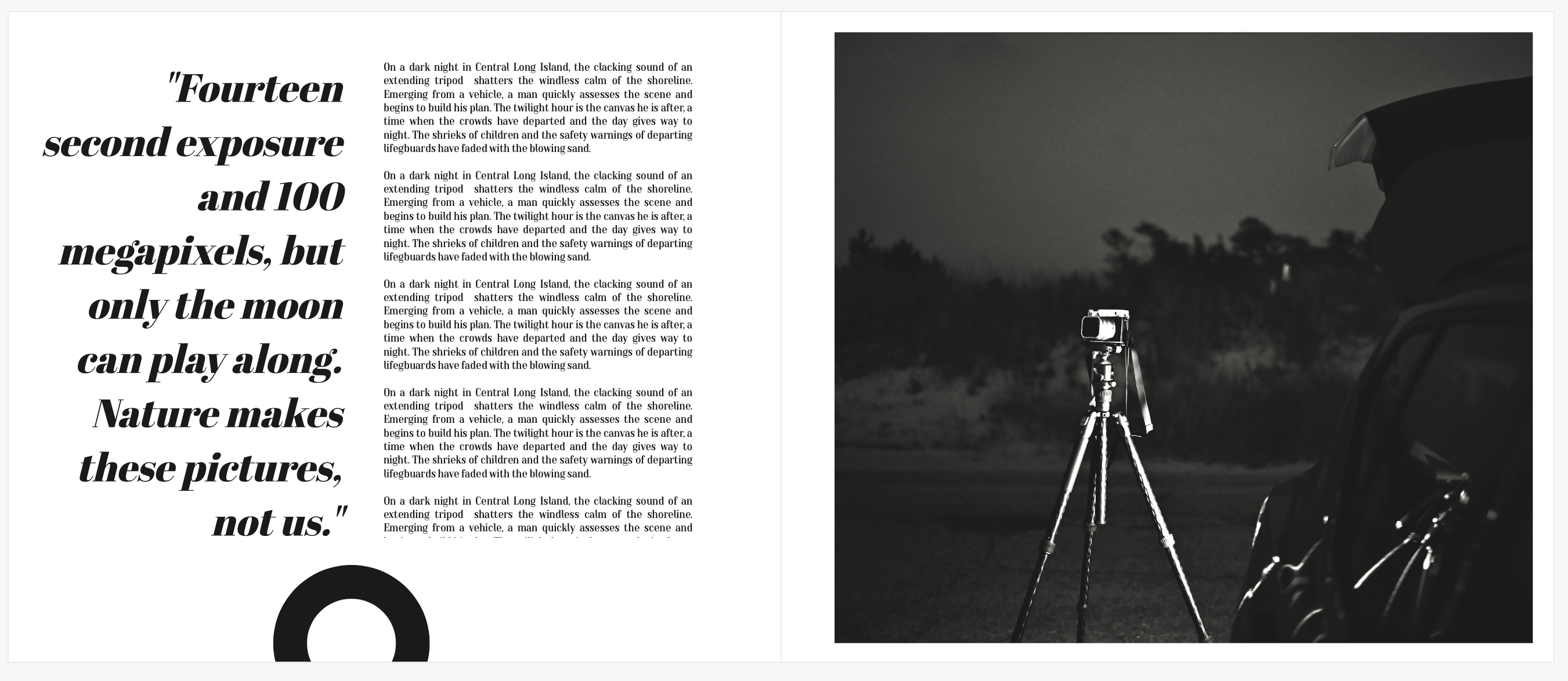
The story you see here took one hour to photograph and thirty minutes to edit and design.
Is it great? No, but there are glimpses of something decent, so imagine what would happen if the photographer had two days to photograph and three hours to design, both of which are quite limited when it comes to producing anything with motion. This is slow-style work. Designed to allow the power of a single image to permeate a viewer open to receiving. I believe a strong still image is a wonderful thing. While I do look back at motion footage from the past, the stills are what have seared themselves to my psyche.

I should also mention I was not on assignment while making these images. I was just hanging out with friends. Had I been on assignment, I’d have shot a lot more and would have focused my energies much more efficiently. All of the copy is fictionalized. I made it up as I was designing the pages. One camera, one lens. Mostly wide open. There are more images, some better than the ones I show here, but I didn’t use them because I don’t want to post pics of people who might be uncomfortable with me posting.

I also think working in this fashion effortlessly leads to the publication of more printed materials. Websites and social media can be integral parts of modern photography, but nothing resonates quite like print, especially with those at the highest levels of the industry. I’ve never spoken to a legendary photographer who said, “Dan, what I want more than anything else is a YouTube channel.” What I have heard is “What I want more than anything else is a book deal.”
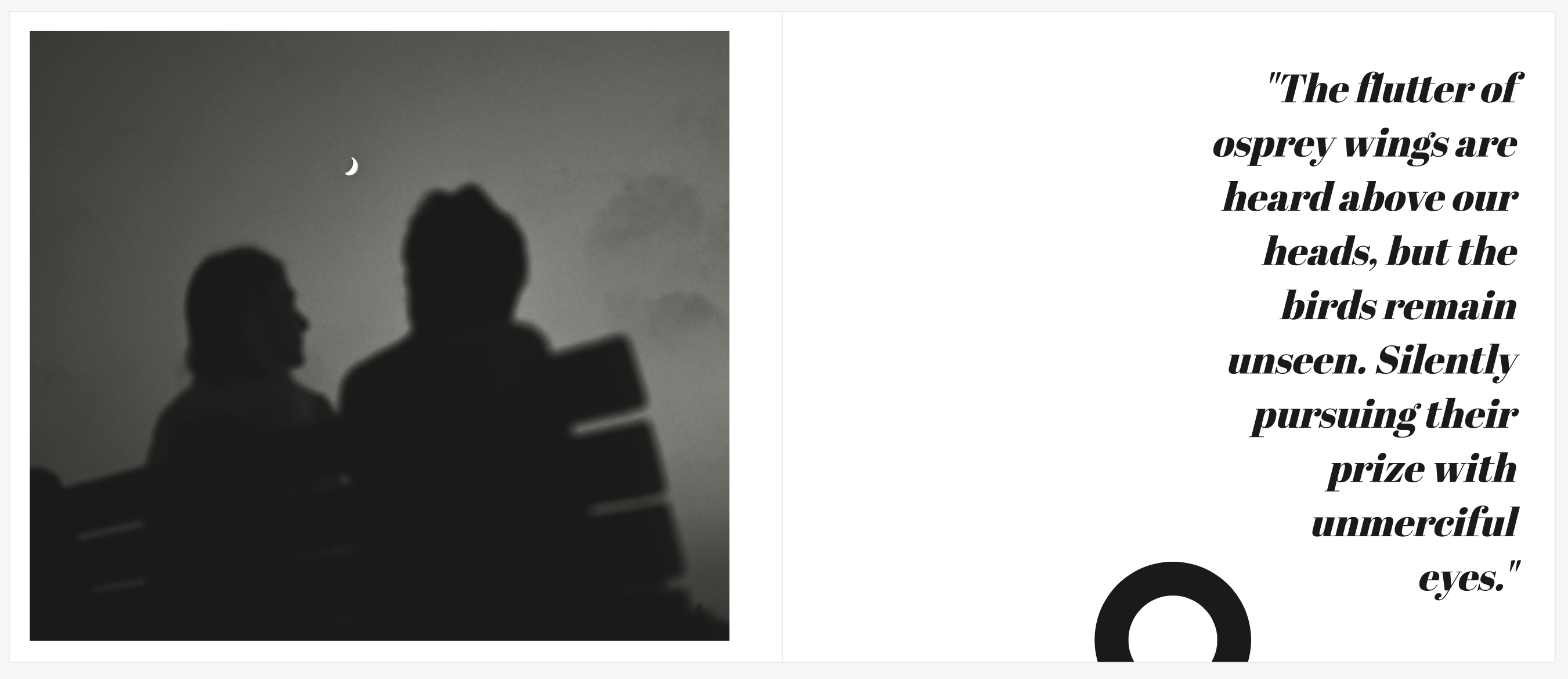
I find filmmaking incredibly challenging. This is one reason I like attempting to make films, but my success-to-failure ratio is near one hundred percent on the failure side. So much has to happen for me to make anything good with motion. However, give me two days to shoot stills and copy, and I’ll produce something interesting. I didn’t grow up in the motion era. I grew up in the stills and copy era, so of course, this style of work feels like home. I realize this isn’t the case with a sizable portion of the public. That’s okay.
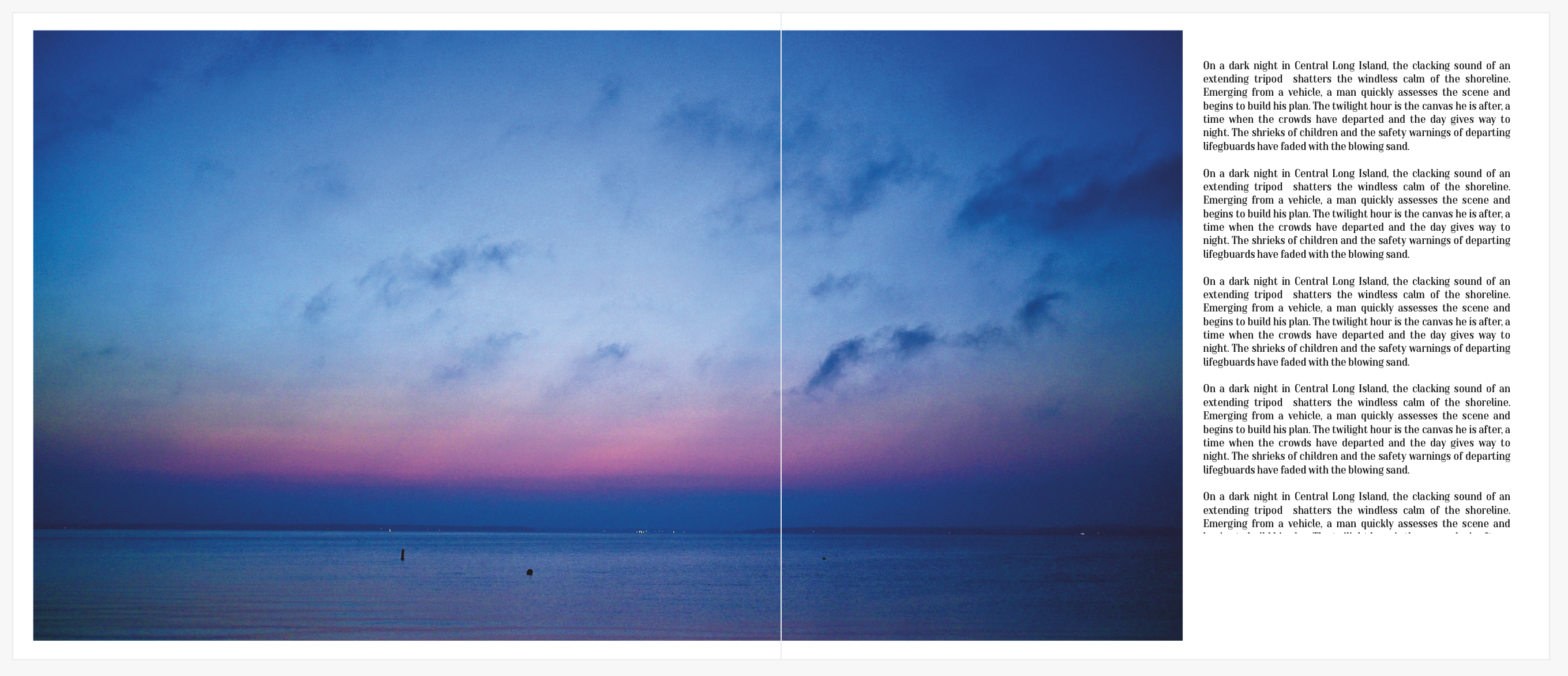
I believe modern creatives are put in untenable positions.
Shoot motion, record sound, write, shoot stills, design, etc. Everyone expected to be a five-tool player. When a creative only needs to do one thing, like make still images, what becomes possible is that they are able to engage with the conversation in their head. I used to see it when I was assisting other photographers. Oftentimes, the best photogs were constantly talking to themselves, engaging with that internal dialogue. I don’t see that on motion sets. I see people with shot lists, massive amounts of kit, and deadlines that always seem cruel. Deadlines that lead to immediate compromise, or ultimately in the case of many of YouTube’s best and brightest, mental health issues.
What’s cool to me is that some of the most modern brands, those that appeal to a much younger audience, are now starting to display more classic-style photo essay reports. VAER is a good example. They do a mix of motion and still, as does Patagonia. This is a perfect example. Riders of the Night, which does have a film at the bottom, but by the time I read the article and saw the images, I didn’t need to watch the film. (I should also note, my wife stole my Vaer watch, which is still working, and in my world, with my body’s death ray, is saying something.)
PS: The first page is inspired by John Carpenter’s film Black Moon Rising. The inspiration comes at 1:46 of this trailer. Speaking of the trailer, holy shit, how long is it? Can you imagine anyone making a two-minute trailer now? Two minutes now represents eight trailers. I wish I were joking.
Comments 10
I love photo essays. So elegant and still, a respite from the motion and clamor of video. There was an essay in the paper today about a young man from London, now in the States, who teaches his generation how to dress with quiet dignity. How to sit alone at a bar without reaching for the phone. It struck me. What does this have to do with photo essays? Only this: that maybe not all is lost. Maybe in the churn of the modern age, some of the old and quiet things will be found again. Things with weight. With soul. A good coat. A real photograph. A story told in light and shadow. Thanks for the inspiration, Dan.
Author
I think it’s already happening. Take a look at the top tech bros. Bezos, Zuck, Elon, Tiel, etc. Incredible strange men. Deranged some would say. I think the public knows the damage they are causing, and most people admit their lives are worse since the advent of modern tools. Maps, basic coms, safety can be argued have improved things, but the rest of the digital noise has derailed much of basic society. People are starting to search for meaning in new(old) ways.
Danielsan, as you know, the cover is for “show.” But the “story-driven” photo essays, are the money, for most. Don’t get me wrong…Seeing your images used for covers on the magazine racks (remember newsstands?”) never gets old.
Author
I think what got lost is the amount of work and thought that went into a lot of the best essays. Not to mention the editing of both word and image. Those pages were designed for impact. Shooting 250 rolls of 35mm and editing to eight or ten images. Placed on those pages for the impact of the turn. It’s been lost, and even though I love the web, it’s not the best delivery tool for impact. The page is much better.
Alexandra Houchin, the single speed Ojibwe hero. Respect! She deserves a photo essay full of her stories as a female long distance athlete. Good to know Patagonia honnors her contribution. Although content creation is just marketing gimmicks in order to sell more things, it’s nice to have people getting to know Alexandra in this way.
Author
I like a lot of Pata does. They aren’t perfect, but they are doing things others are not.
Oh! and she actually draws content and illustration. Another level…
Author
Shazam!
You have a typo on the final line of your fictionalized text. I think your final color image is at home with that fictional paragraph.
Here is a quote from an article about Netflix’s requirements for filmmakers:
“In fairness, we wouldn’t necessarily expect hard-hitting narratives from a rom-com. But the N+1 report lines up with a similar account from actress and producer Justine Batemen of Family Ties. “I’ve heard from showrunners who are given notes from the streamers that ‘this isn’t second screen enough,'” she told The Hollywood Reporter in 2023. “Meaning the viewer’s primary screen is their phone and the laptop, and they don’t want anything on your show to distract them from their primary screen because if they get distracted, they might look up, be confused, and go turn it off.”” – Emily Fortini, PC Mag
All that work and all that stress for second screen status. Chilling.
Author
It’s a race to the bottom. But, seems like a lot of folks are okay with it.